

Teaching your dog to wear a collar is an essential skill that every dog owner should master. As a dog collar supplier, I've seen firsthand how a well - trained dog with a properly worn collar can make life easier for both the pet and the owner. In this blog, I'll share some practical tips on how to teach your dog to wear a collar.
Why is it important for a dog to wear a collar?
Before we dive into the training process, let's talk about why it's so crucial for dogs to wear collars. A collar is not just a fashion accessory; it serves several important functions. Firstly, it's a way to identify your dog. If your furry friend ever gets lost, a collar with an ID tag can help them find their way back home quickly. Secondly, it's a necessary tool for leash training. Whether you're taking your dog for a walk in the park or a trip to the vet, a collar provides a secure attachment point for the leash.
Choosing the right collar
The first step in teaching your dog to wear a collar is selecting the right one. There are various types of collars available on the market, each with its own advantages.
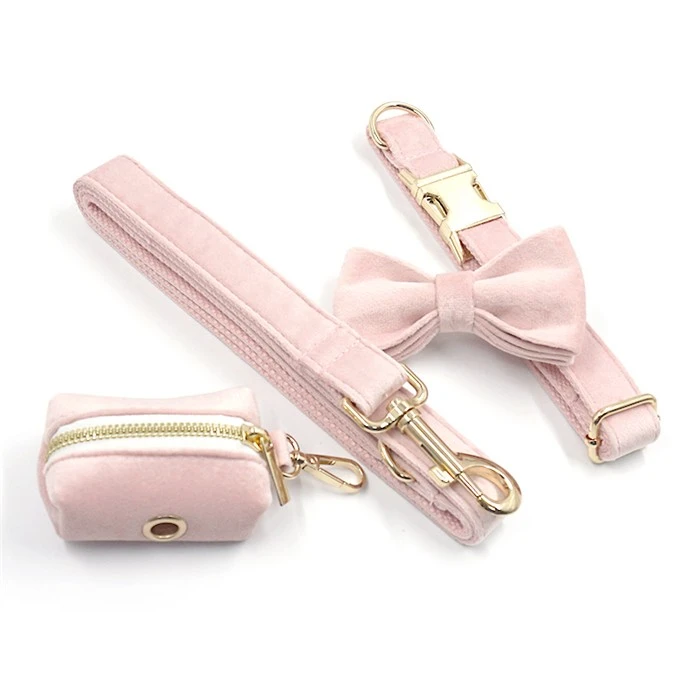
One popular option is the Velvet Dog Collar. Velvet collars are soft and comfortable, making them a great choice for dogs with sensitive skin. They also look stylish, so your dog will be the envy of the neighborhood.
Another option is Nylon Dog Collars. Nylon collars are durable and come in a wide range of colors and patterns. They're also easy to clean, which is a plus if your dog likes to get dirty.
When choosing a collar, make sure it fits your dog properly. You should be able to fit two fingers between the collar and your dog's neck. If the collar is too tight, it can cause discomfort and even injury. If it's too loose, your dog may be able to slip out of it.
Introducing the collar
Once you've chosen the right collar, it's time to introduce it to your dog. Start by letting your dog sniff the collar. This will help them get used to the new smell. You can also give them a treat while they're sniffing the collar to create a positive association.
After your dog is comfortable sniffing the collar, you can try putting it on for a short period. Start with just a few minutes at a time. Keep an eye on your dog's behavior. If they seem stressed or uncomfortable, take the collar off immediately and try again later.
During these short sessions, distract your dog with toys or playtime. This will help them focus on something other than the collar. You can also give them treats intermittently to reinforce the positive experience.
Gradually increasing wear time
As your dog gets more comfortable with the collar, you can gradually increase the amount of time they wear it. Each day, add a few more minutes to the wearing time. Make sure to keep the experience positive by giving your dog plenty of praise and treats.
It's important to be patient during this process. Some dogs may take longer to get used to wearing a collar than others. Don't rush your dog, and always end the training sessions on a positive note.
Pairing the collar with positive experiences
To make the collar a more welcome addition to your dog's life, pair it with positive experiences. For example, take your dog for a walk in the park while they're wearing the collar. This will associate the collar with fun and adventure.
You can also play fetch or other games with your dog while they have the collar on. The key is to make sure that the dog sees the collar as a part of enjoyable activities.
Dealing with resistance
If your dog resists wearing the collar, don't force it. Instead, try to figure out why they're uncomfortable. It could be that the collar is too tight, too heavy, or just doesn't feel right.
If the collar is too tight, adjust it to a more comfortable fit. If it's too heavy, consider getting a lighter - weight collar. You can also try using a different type of collar material to see if that makes a difference.
If your dog continues to resist, you may need to slow down the training process. Go back to shorter wearing times and more positive reinforcement.

Maintenance and safety
Once your dog is used to wearing a collar, it's important to maintain it properly. Check the collar regularly for signs of wear and tear. Replace it if it becomes frayed or damaged.
Also, never leave your dog unattended for long periods with a collar on. There's a risk that the collar could get caught on something and cause injury.
Conclusion
Teaching your dog to wear a collar takes time and patience, but it's definitely worth the effort. A well - trained dog that's comfortable wearing a collar will make your life easier and keep your dog safe.
If you're in the market for high - quality dog collars, look no further. As a dog collar supplier, I'm committed to providing the best products at competitive prices. Whether you're interested in a Velvet Dog Collar or Nylon Dog Collars, I've got you covered. If you have any questions or would like to discuss your dog collar needs, feel free to reach out. We're always here to help you find the perfect collar for your furry friend.
References
- "The Complete Guide to Dog Training" by Sarah Hamilton
- "Dog Collars: Types and Uses" by Pet Care Magazine