

When it comes to dog owners, one of the most common challenges they face is dealing with aggressive chewers. Dogs that have a strong urge to chew can quickly destroy regular toys, which not only becomes an expensive problem but also poses a potential safety hazard if the dog ingests parts of the broken toy. As a trusted Dog Products supplier, we understand these concerns and are here to guide you through selecting the most suitable toys for your aggressive chewers.
Understanding Aggressive Chewers
Before diving into the types of toys, it's essential to understand why some dogs are aggressive chewers. Puppies often chew as they are teething. The discomfort of new teeth pushing through their gums makes them want to gnaw on objects to relieve the pain. Adult dogs, on the other hand, may chew out of boredom, anxiety, or simply because they have a natural instinct to chew. Understanding the root cause can help you better address your dog's chewing behavior while providing appropriate toys.
Types of Toys for Aggressive Chewers
Rubber Toys
Rubber toys are a great option for aggressive chewers. High - quality rubber toys are durable and can withstand the strong jaws of powerful chewers. They come in various shapes and sizes, from simple balls to more complex chew toys with different textures. For example, some rubber toys have bumps and ridges on the surface, which can help clean your dog's teeth as they chew. These toys also often have a hollow center where you can stuff treats, keeping your dog engaged for longer periods. Brands like Kong offer a wide range of rubber toys that are specifically designed for aggressive chewers. The Kong Classic, for instance, is made of a tough rubber material that can endure hours of chewing. It can be filled with peanut butter, kibble, or other treats, providing mental stimulation as well as a chewing outlet for your dog.

Rope Toys
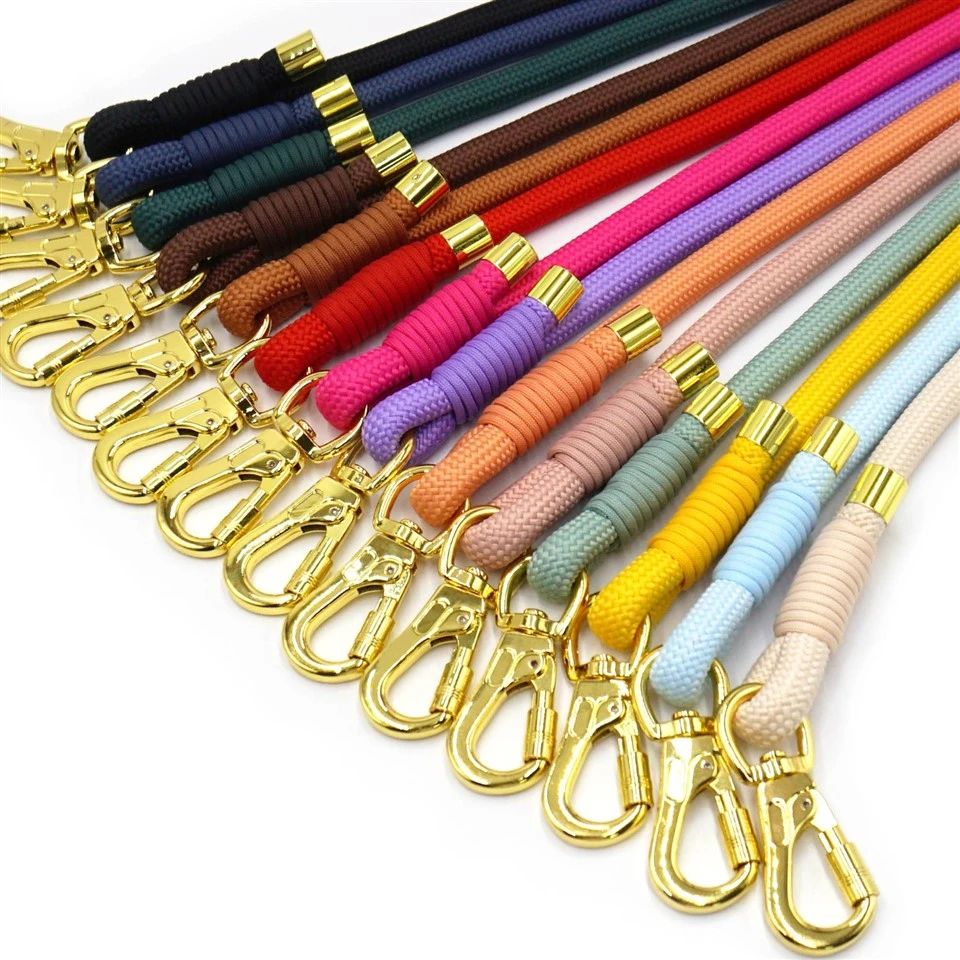
Rope toys are another popular choice. They are not only great for chewing but also for playing tug - of - war with your dog. Rope toys are made from strong fibers that can withstand the pulling and tugging of an aggressive chewer. When your dog chews on a rope toy, the fibers can help remove plaque and tartar from their teeth, promoting good oral hygiene. You can check out our Colorful Dog Rope Leash, which is not only a stylish leash but can also double as a fun and durable rope toy for your dog to chew on. It's made from high - quality materials that can resist the wear and tear of an aggressive chewer.
Nylon Bones
Nylon bones are extremely durable and are designed to satisfy a dog's natural urge to chew. They come in different flavors, such as chicken, beef, and bacon, which can make them more appealing to your dog. Nylon bones are also available in various sizes, so you can choose one that is appropriate for your dog's breed and size. Some nylon bones have a textured surface that helps clean your dog's teeth while they chew. However, it's important to monitor your dog when they are chewing on a nylon bone to ensure they don't break off and swallow large pieces.
Hard Plastic Toys
Hard plastic toys are also suitable for aggressive chewers. They are often made from a strong, non - toxic plastic material that can withstand heavy chewing. These toys can come in the form of balls, frisbees, or other interactive toys. For example, some hard plastic balls have a built - in sound mechanism that makes a noise when the ball is rolled or chewed, adding an extra element of fun for your dog. When choosing a hard plastic toy, make sure it is free from any sharp edges or small parts that could pose a choking hazard.
Safety Considerations
While providing appropriate toys for your aggressive chewer is important, safety should always be your top priority. Here are some safety tips to keep in mind:
- Size Matters: Make sure the toy is an appropriate size for your dog. A toy that is too small can be a choking hazard, while a toy that is too large may be difficult for your dog to chew or play with.
- Inspect Regularly: Regularly inspect your dog's toys for signs of wear and tear. If a toy is starting to break or show signs of damage, it's time to replace it.
- Supervise Your Dog: Always supervise your dog when they are playing with a toy, especially if it's a new toy. This allows you to intervene if your dog starts to chew on the toy in an unsafe way.
Other Dog Products for Aggressive Chewers
In addition to toys, we also offer a range of other dog products that can be beneficial for aggressive chewers. Our Unique Dog Collars And Leashes are made from high - quality materials that can withstand the pulling and tugging of an aggressive chewer. They come in a variety of styles and colors, so you can find one that suits your dog's personality. And for the holiday season, our Green Christmas Dog Collar Set is not only festive but also durable. It's a great way to dress up your dog while ensuring they have a collar that can stand up to their chewing habits.
Conclusion
Selecting the right toys for your aggressive chewer is crucial for their well - being and your peace of mind. By understanding the different types of toys available and considering your dog's specific needs and chewing habits, you can find the perfect toys that will keep your dog entertained, satisfied, and safe. As a leading Dog Products supplier, we are committed to providing high - quality, durable, and safe products for your furry friends.
If you are interested in purchasing any of our products or have any questions about which toys are best for your aggressive chewer, we encourage you to reach out to us for a procurement discussion. We look forward to helping you find the ideal products for your dog.
References
- Overall, Karen L. "Behavioral Counseling in Veterinary Practice." Wiley - Blackwell, 2013.
- Horwitz, Daniel F., and Pamela Perry. "Clinical Behavioral Medicine for Small Animals." Saunders, 2013.