

Hey there, fellow dog lovers! As a dog collar supplier, I get asked a ton of questions about our furry friends' gear. One of the most common queries I come across is, "What's the difference between a collar and a lead?" It might seem like a simple question, but there's actually quite a bit to unpack. So, let's dive right in and clear up any confusion.
What's a Dog Collar?
First off, let's talk about dog collars. A dog collar is basically a band that goes around your dog's neck. It's like a piece of jewelry for your pup, but it's got some important practical uses too.
One of the main reasons we put collars on our dogs is for identification. You can attach tags with your dog's name, your contact info, and even any medical information that might be important. This way, if your dog ever gets lost, it's much easier for someone to get them back to you.
But collars aren't just for IDs. They also play a big role in training and control. When you're teaching your dog basic commands like "sit," "stay," or "come," a collar gives you a way to gently guide them. You can use a leash attached to the collar to lead your dog around and reinforce good behavior.
There are all sorts of dog collars out there, each with its own style and purpose. For example, Nylon Dog Collars are super popular because they're durable, lightweight, and come in a wide range of colors and patterns. They're great for everyday use and are easy to clean.
On the other hand, Velvet Dog Collar are more of a luxury option. They're soft and comfortable for your dog to wear, and they look really stylish. These collars are perfect for special occasions or if you just want to spoil your furry friend.
What's a Dog Lead?
Now, let's move on to dog leads, also known as leashes. A dog lead is a long, flexible strap that you attach to your dog's collar. It gives you control over your dog's movement when you're out and about.
The main purpose of a dog lead is to keep your dog safe. When you're walking your dog in public, a lead ensures that they stay close to you and don't run off into traffic or get into trouble. It also helps you manage your dog's interactions with other people and animals.
There are different types of dog leads to suit different needs. A standard leash is usually around 4 to 6 feet long and is great for everyday walks. It gives your dog enough freedom to explore a bit while still keeping them under control.
Retractable leashes are another popular option. These leashes can extend up to 20 feet or more, allowing your dog to have more room to roam. However, they can be a bit tricky to use, especially if you're not experienced. You need to be careful not to let your dog get too far away or get tangled up in the leash.
The Key Differences
So, what are the key differences between a collar and a lead? Well, the most obvious difference is their function. A collar is primarily for identification and basic control, while a lead is for guiding and restraining your dog when you're out.
Another difference is how they're used. A collar is worn all the time, or at least whenever your dog is outside. It's a permanent part of your dog's gear. A lead, on the other hand, is only used when you're taking your dog for a walk or need to have more control over their movement.
In terms of design, collars come in a wide variety of styles and materials, while leads are generally more straightforward. Collars can be decorated with all sorts of things, like studs, beads, or embroidery, to make them look unique. Leads, on the other hand, are usually more functional and come in simple colors and designs.
Choosing the Right Collar and Lead
Now that you know the difference between a collar and a lead, how do you choose the right ones for your dog? Well, it depends on a few factors.
First, consider your dog's size and breed. A small dog might do well with a lightweight collar and a short leash, while a large dog will need a more sturdy collar and a longer lead. You also need to make sure that the collar fits your dog properly. It should be snug enough so that it doesn't slip off, but not so tight that it's uncomfortable.
Next, think about your dog's personality and behavior. If your dog is energetic and likes to pull on the leash, you might want to consider a harness instead of a collar. A harness distributes the pressure more evenly across your dog's body, which can be more comfortable for them and make it easier for you to control them.

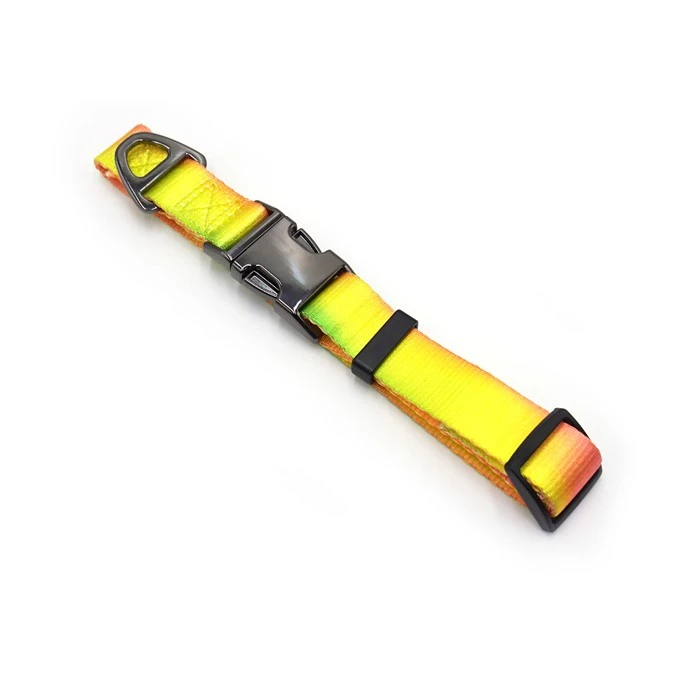
Finally, consider your own needs and preferences. Do you want a collar and lead that are stylish and match your dog's personality? Or are you more concerned about functionality and durability? There are plenty of options out there, so you're sure to find something that works for you and your furry friend.
Why Choose Our Dog Collars?
As a dog collar supplier, I'm really proud of the products we offer. Our collars are made from high-quality materials and are designed to be both comfortable and stylish. We have a wide range of collars to choose from, including nylon, velvet, and leather collars, so you're sure to find something that your dog will love.
We also offer custom-made collars, so you can add your dog's name, your contact info, or even a special design to make the collar truly unique. And if you're not sure which collar is right for your dog, our team of experts is always here to help. We can answer any questions you have and give you personalized recommendations based on your dog's needs.
Let's Connect!
If you're interested in our dog collars or have any questions about choosing the right gear for your dog, I'd love to hear from you. Whether you're a pet owner looking for a new collar for your furry friend or a retailer interested in stocking our products, we're here to help.
Don't hesitate to reach out and start a conversation. We're passionate about providing the best dog collars on the market, and we can't wait to work with you. Let's make sure your dog looks and feels their best!
References
- American Kennel Club. (n.d.). Dog Collars and Leashes: A Guide. Retrieved from [Website URL]
- PetMD. (n.d.). Choosing the Right Collar and Leash for Your Dog. Retrieved from [Website URL]