

As a supplier of Nylon Dog Collars, I've witnessed firsthand the importance of proper storage for these products. Nylon dog collars are not only a popular choice among pet owners due to their durability, affordability, and variety of colors and styles but also require specific care to maintain their quality over time. In this blog, I'll share the best ways to store nylon dog collars, ensuring they remain in top - notch condition for your furry friends.
Why Proper Storage Matters
Before delving into the storage methods, it's crucial to understand why proper storage is essential for nylon dog collars. Nylon is a synthetic polymer, and while it is generally resistant to many environmental factors, improper storage can lead to several issues. Exposure to excessive moisture can cause the nylon to develop mold or mildew, which not only looks unappealing but can also weaken the material over time. Prolonged exposure to sunlight can fade the vibrant colors of the collars, making them less attractive. Additionally, if collars are stored in a disorganized manner, they can become tangled, which may result in fraying or damage when you try to untangle them.
Clean the Collars Before Storage
The first step in proper storage is to ensure that the nylon dog collars are clean. Dirt, grime, and pet hair can accumulate on the collars during use. These contaminants can attract moisture and pests, and over time, they may cause the nylon to deteriorate. To clean the collars, you can use a mild detergent and warm water. Gently scrub the collars with a soft brush to remove any stubborn stains. Rinse thoroughly to ensure all the detergent is removed, as leftover detergent can also damage the nylon. After cleaning, allow the collars to air - dry completely. Avoid using a dryer, as the high heat can warp the shape of the collars and damage any hardware such as buckles or D - rings.
Choose the Right Storage Container
Once the collars are clean and dry, it's time to select an appropriate storage container. There are several options available, each with its own advantages.
Plastic Bins
Plastic bins are a popular choice for storing nylon dog collars. They are affordable, come in various sizes, and are relatively airtight. Look for bins with snap - on lids to keep out dust, moisture, and pests. You can label the bins according to the size, color, or style of the collars to make it easier to find what you need. Place the collars neatly inside the bin, and if possible, roll them up to prevent creasing.
Hanging Organizers
Hanging organizers are another great option, especially if you have limited floor space. You can find hanging organizers with multiple pockets or compartments. Hang the organizer in a closet or on a wall. Place each collar in a separate pocket to keep them organized and prevent tangling. This method also allows you to easily see all your collars at a glance, making it convenient to choose the right one for your dog.
Jewelry Boxes
For smaller collections of nylon dog collars, jewelry boxes can be a stylish and practical storage solution. They often have soft interiors that prevent the collars from getting scratched. Some jewelry boxes also have compartments that can be used to separate different collars. You can place the collars flat inside the compartments or roll them up gently.
Protect from Environmental Factors
To ensure the longevity of your nylon dog collars, it's important to protect them from environmental factors such as sunlight, humidity, and temperature fluctuations.
Sunlight
Direct sunlight can cause the nylon to fade over time. Store your collars in a dark place, such as a closet or a drawer. If you are using a hanging organizer, make sure it is not exposed to direct sunlight. You can also use curtains or blinds to block out sunlight if the storage area is near a window.
Humidity
High humidity can lead to mold and mildew growth on the collars. Keep the storage area well - ventilated. You can use a dehumidifier in the room if the humidity levels are consistently high. If you are using plastic bins, consider placing a small packet of silica gel inside to absorb any excess moisture.
Temperature
Extreme temperatures can also affect the quality of nylon dog collars. Avoid storing the collars in areas that are too hot or too cold, such as attics or basements. A room - temperature environment is ideal for storing nylon collars.
Organize by Size and Style
Organizing your nylon dog collars by size and style can make it easier to manage your inventory if you are a supplier or to choose the right collar for your dog if you are a pet owner. Group the collars according to their width and length. You can also separate them by style, such as Velvet Dog Collar or basic nylon collars. This organization method not only makes it easier to find what you need but also helps you keep track of your stock.
Regularly Inspect the Collars
Even with proper storage, it's a good idea to regularly inspect your nylon dog collars. Check for any signs of damage, such as fraying, loose threads, or rust on the hardware. If you notice any issues, you can repair the collars or replace them if necessary. Regular inspections can help you catch problems early and prevent further damage.
Conclusion
Proper storage of nylon dog collars is essential to maintain their quality and appearance. By following the steps outlined in this blog, including cleaning the collars before storage, choosing the right storage container, protecting them from environmental factors, organizing by size and style, and regularly inspecting them, you can ensure that your nylon dog collars last for a long time.

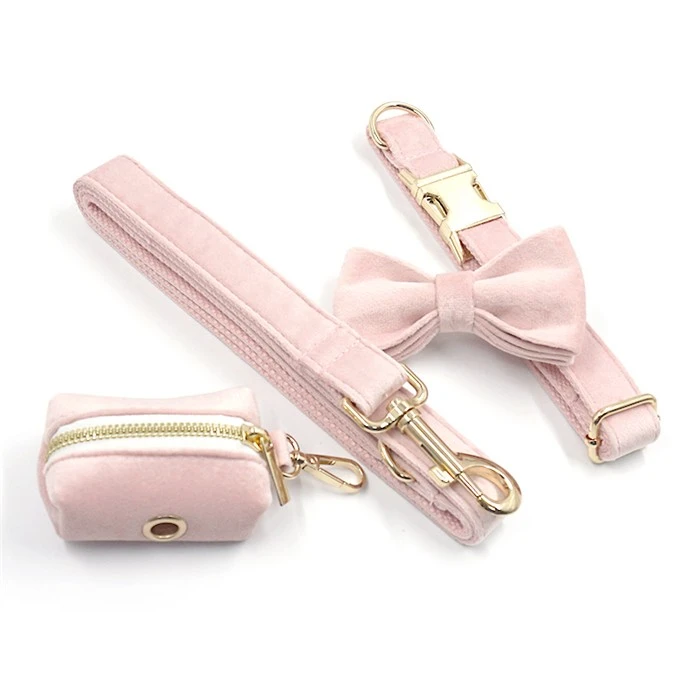
If you are interested in purchasing high - quality Nylon Dog Collars, we are here to serve you. We offer a wide range of nylon dog collars in various colors, sizes, and styles to meet your needs. Whether you are a pet store looking to stock up on inventory or a pet owner searching for the perfect collar for your furry friend, we can provide you with the best products. Contact us for more information and to start a procurement negotiation.
References
- "Pet Product Care Guide" - A general guide on caring for pet - related products.
- "Materials Science of Synthetic Polymers" - A textbook on the properties and care of synthetic polymers like nylon.
- "Organizational Tips for Small Businesses" - Tips on organizing inventory for small businesses, applicable to storing dog collars as a supplier.