

Hey there, fellow dog lovers! As a supplier of top - notch dog products, I've seen all sorts of trends in the pet industry. One trend that's been gaining a lot of traction lately is grain - free dog food. So, I thought I'd share with you some of the benefits of switching your furry friend to a grain - free diet.
First off, let's talk about digestion. Dogs, just like us, can have sensitive stomachs. Grains such as wheat, corn, and soy are common allergens for dogs. When dogs eat foods with these grains, they might experience digestive issues like gas, bloating, and diarrhea. Grain - free dog food usually uses alternative sources of carbohydrates like sweet potatoes, peas, and lentils. These are easier for dogs to digest, which means less discomfort for your pooch. For example, sweet potatoes are not only rich in fiber but also contain vitamins and minerals that are great for your dog's overall health. They can help regulate your dog's bowel movements and keep their digestive system running smoothly.
Another major benefit is related to skin and coat health. Many dogs suffer from skin problems, including itching, redness, and flakiness. These issues can sometimes be caused by an allergic reaction to grains. By switching to a grain - free diet, you can reduce the likelihood of these allergic reactions. Grain - free dog foods are often high in essential fatty acids, such as omega - 3 and omega - 6. These fatty acids play a crucial role in maintaining healthy skin and a shiny coat. You'll notice that your dog's fur becomes softer, silkier, and less prone to shedding. It's like giving your dog a natural beauty treatment from the inside out!
Weight management is also an important aspect. Grains are often high in calories, and if your dog doesn't burn them off through exercise, they can lead to weight gain. Grain - free dog foods typically have a higher proportion of protein and healthy fats, which can help your dog feel full for longer periods. This means your dog is less likely to overeat and gain unnecessary weight. A leaner dog is generally a healthier dog, as it reduces the risk of joint problems, heart disease, and other obesity - related health issues.
Now, let's talk about energy levels. Dogs are active animals, and they need a diet that can fuel their adventures. Grain - free dog food is usually packed with high - quality protein sources, such as chicken, beef, fish, and lamb. Protein is the building block of muscles, and it provides the energy your dog needs to run, play, and explore. When your dog eats a protein - rich, grain - free diet, you'll notice that they have more energy throughout the day. They'll be more eager to go for walks, play fetch, and engage in other fun activities.
If you're worried about your dog's dental health, grain - free dog food can also be a great option. Some grains can stick to your dog's teeth, promoting the growth of bacteria and plaque. Grain - free diets often include ingredients that are less likely to cause dental problems. For instance, some grain - free kibbles have a texture that can help clean your dog's teeth as they chew. This can reduce the risk of gum disease and bad breath, keeping your dog's mouth healthy.
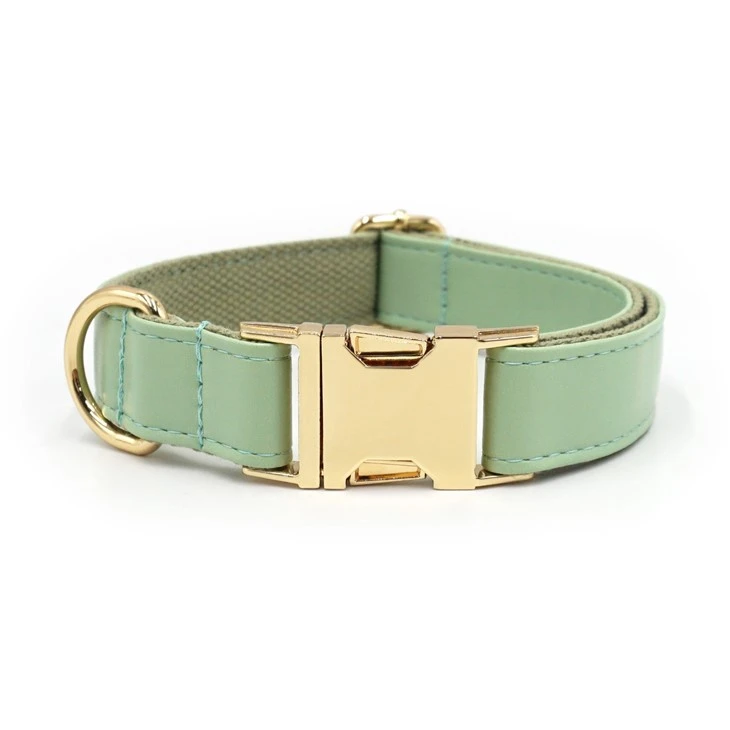
As a dog products supplier, I also want to mention that a healthy diet goes hand in hand with other quality dog products. For example, if you're looking for a stylish and durable collar for your dog, check out our Leather Dog Collar. It's made from high - quality leather that will last for years, and it looks great on any dog. And if you want something a bit more unique, our Unique Dog Collars And Leashes collection has a variety of designs to choose from. Even if you have a kitten in the house, we've got you covered with our Best Kitten Collar.
In addition to all these benefits, many grain - free dog foods are free from artificial colors, flavors, and preservatives. These additives can sometimes be harmful to your dog's health, especially in the long term. By choosing a grain - free diet, you're giving your dog a more natural and wholesome meal. It's like cooking a homemade meal for your dog, but with all the convenience of a commercial product.
Some people might be concerned about the cost of grain - free dog food. It's true that it can be a bit more expensive than traditional dog food. However, when you consider the long - term health benefits, it's a worthy investment. You'll likely save money on vet bills in the long run by preventing health issues caused by a poor diet.
If you're thinking about switching your dog to a grain - free diet, it's important to do it gradually. Sudden changes in diet can upset your dog's stomach. Start by mixing a small amount of the new grain - free food with your dog's current food and gradually increase the proportion of the new food over a week or two.
In conclusion, the benefits of grain - free dog food are numerous. From better digestion and skin health to weight management and increased energy, it can significantly improve your dog's quality of life. As a dog products supplier, I've seen firsthand the positive impact that a good diet can have on dogs. And we're here to provide you with not only great dog food options but also a wide range of other dog products to keep your furry friend happy and healthy.
If you're interested in learning more about our dog products or have any questions about grain - free dog food, we'd love to hear from you. Whether you're a pet store owner looking to stock our products or an individual pet owner wanting to make the switch to a healthier diet for your dog, we're ready to have a chat. Reach out to us, and let's start a conversation about how we can meet your dog's needs.
References:

- Beynen, A. C. (2019). The science of pet nutrition. Wageningen Academic.
- Hand, M. S., Thatcher, C. D., Remillard, R. L., & Roudebush, P. (Eds.). (2010). Small animal clinical nutrition. Mark Morris Institute.