

Training a small dog to use a litter box can be a game - changer for both you and your furry friend. It offers convenience, especially if you live in an apartment or have limited outdoor space. As a supplier of dog products, I've seen firsthand how the right training and products can make this process smooth and successful. In this blog, I'll share some tips on how to train your small dog to use a litter box.
Understanding Your Dog's Behavior
First things first, it's important to understand your dog's natural instincts. Dogs are creatures of habit, and they have an innate need to keep their living area clean. Puppies, in particular, start learning where to relieve themselves from a young age. Small dogs, with their smaller bladders, need to pee more frequently. By understanding these basic facts, you can start to plan your training strategy.
Choosing the Right Litter Box
Picking the right litter box is crucial. You want a box that's big enough for your dog to comfortably turn around in but not so large that it becomes intimidating. There are different types of litter boxes available in the market. Some are designed specifically for small dogs, with lower sides for easy access.
As a dog products supplier, I can tell you that considering a litter box with a cover can also be a good option. It can help contain odors and give your dog a sense of privacy. And don't forget about the litter. You can choose from various types, such as clumping clay, paper - based, or even wood - pellet litters. Each has its own advantages, like odor control and ease of cleaning.
Introducing Your Dog to the Litter Box
Once you've got the right litter box, it's time to introduce your dog to it. Place the litter box in a quiet and accessible area of your home. You don't want it in a high - traffic zone where your dog might feel distracted or uncomfortable.
Start by taking your dog to the litter box frequently, especially after meals, naps, or playtime. These are the times when your dog is most likely to need to pee or poop. Gently guide your dog to the box and use a command like "go potty" or "do your business." Be patient; it might take a few tries for your dog to understand what you want.
Positive Reinforcement
Positive reinforcement is key when training your small dog to use the litter box. Every time your dog uses the box correctly, praise them like crazy! You can give them a small treat, like a piece of their favorite dog food or a tiny dog biscuit. A lot of small dogs are food - motivated, so treats can be a great incentive.
You can also use verbal praise, like saying "good boy/girl" in an excited tone. This positive feedback helps your dog associate using the litter box with good things, making them more likely to do it again in the future.
Consistency is Key
Consistency is crucial throughout the training process. Try to take your dog to the litter box at the same times every day. This helps them develop a routine. If you're inconsistent, it can confuse your dog and make the training take longer.
Also, make sure to clean the litter box regularly. Dogs don't like to use a dirty box. Scoop out the waste at least once a day and completely change the litter every week or so, depending on how often your dog uses it.
Dealing with Accidents
Accidents are bound to happen, especially in the early stages of training. Don't scold your dog if they have an accident outside the litter box. This can make them afraid and might even make the training process more difficult.
Instead, calmly clean up the mess using an enzymatic cleaner. These cleaners are designed to break down the odor - causing enzymes in urine and feces, which helps prevent your dog from being attracted to the same spot again. And then, immediately take your dog to the litter box to give them another chance to do it right.
Using the Right Dog Products
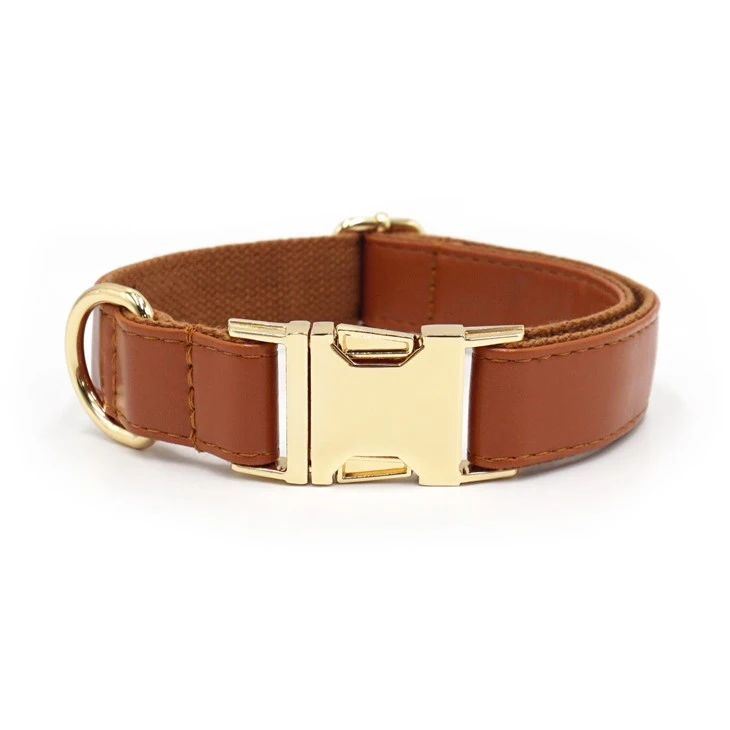
As a dog products supplier, I know that having the right products can enhance the training experience. For example, a Leather Pet Collar can be useful when guiding your dog to the litter box. It gives you better control without causing discomfort to your dog.
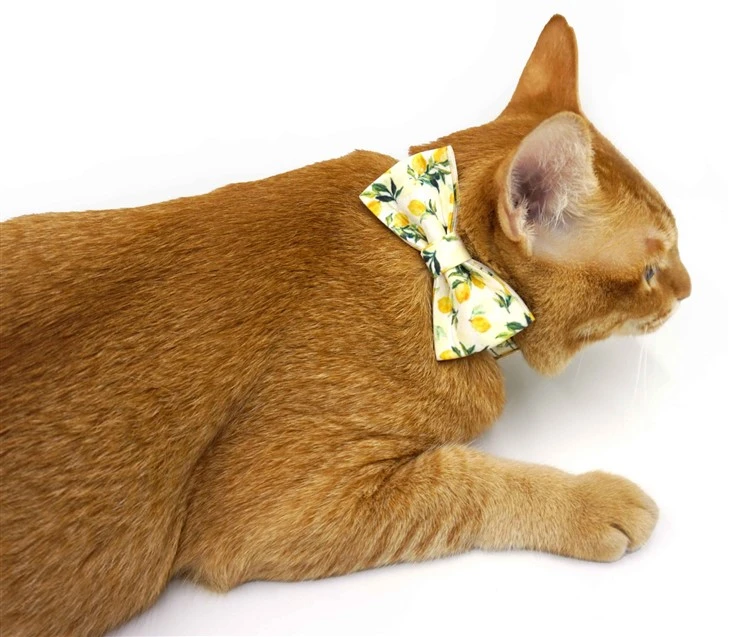
A Best Kitten Collar can also be a good option for very small dogs. It's lightweight and gentle on their necks. And if you're looking for a more durable option, Best Leather Dog Collars are a great choice. They can withstand a bit of tugging during the training process.
Gradual Independence
As your dog gets better at using the litter box, you can start to give them more independence. You can gradually reduce the frequency of taking them to the box, as long as you're confident they know where it is and when they need to use it.
But keep an eye on them, especially during the transition period. If you notice any signs that your dog is having trouble, like going back to having accidents, you might need to go back a step in the training process.
Contact for Procurement
If you're interested in high - quality dog products to assist in your dog's litter - box training or for other needs, feel free to reach out for procurement and negotiation. We offer a wide range of dog products that can make your dog's life more comfortable and your training process easier.
References
- "The Art of Raising a Puppy" by the Monks of New Skete
- "How to Housebreak Your Dog in 7 Days" by The Humane Society of the United States