

Training a dog with a choke collar is a topic that often stirs up a lot of debate among dog owners and trainers. As a dog collar supplier, I've seen firsthand the different perspectives on this tool. In this blog, I'll share some scientific and practical insights on how to train a dog with a choke collar, while also highlighting the importance of using it responsibly.
Understanding the Choke Collar
Before we dive into the training process, it's crucial to understand what a choke collar is and how it works. A choke collar, also known as a slip collar, is a simple loop of chain or nylon that tightens around a dog's neck when pulled. It's designed to provide a corrective stimulus when the dog engages in unwanted behavior, such as pulling on the leash.

It's important to note that a choke collar should not be used as a punishment device. Instead, it's a training aid that helps dogs learn to respond to commands and control their impulses. When used correctly, a choke collar can be an effective tool for teaching basic obedience and leash manners.
Choosing the Right Choke Collar
As a dog collar supplier, I know that choosing the right choke collar is essential for successful training. Here are some factors to consider when selecting a choke collar for your dog:
- Size: The choke collar should fit snugly around your dog's neck, but not too tight. You should be able to fit two fingers between the collar and your dog's neck.
- Material: Choke collars are typically made of chain or nylon. Chain collars are more durable and provide a stronger corrective stimulus, while nylon collars are lighter and more comfortable for your dog.
- Quality: Look for a high-quality choke collar that is well-made and free of defects. A cheap or poorly made choke collar may break or cause injury to your dog.
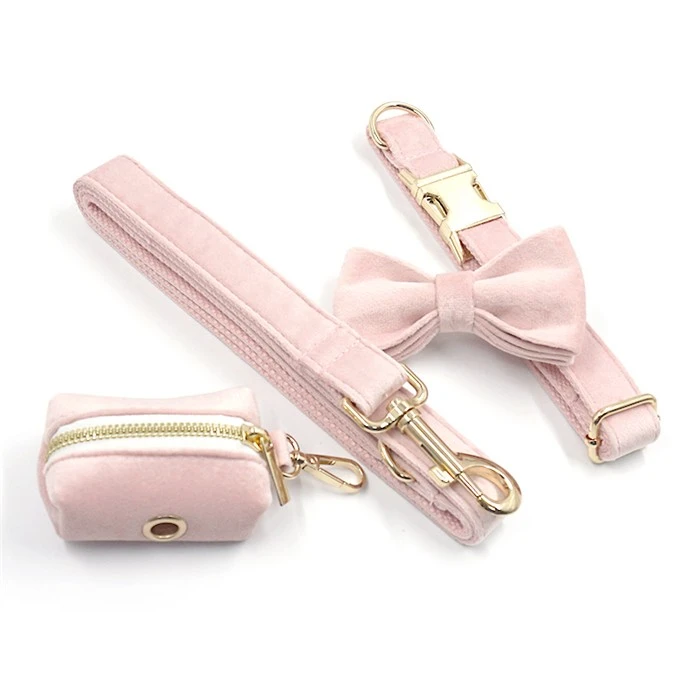
In addition to choke collars, we also offer a variety of other dog collars, including Velvet Dog Collar and Nylon Dog Collars. These collars are not only stylish but also comfortable and safe for your dog.
Training Your Dog with a Choke Collar
Now that you've chosen the right choke collar for your dog, it's time to start training. Here are some steps to follow when training your dog with a choke collar:
- Introduce the Collar: Before you start training, let your dog get used to wearing the choke collar. Put the collar on your dog for a few minutes at a time, and give him treats and praise to make the experience positive.
- Teach Basic Commands: Start by teaching your dog basic commands, such as "sit," "stay," "come," and "heel." Use positive reinforcement techniques, such as treats and praise, to reward your dog for following the commands.
- Use the Choke Collar Correctly: When your dog pulls on the leash or engages in unwanted behavior, give a quick, sharp tug on the choke collar. The tug should be short and gentle, just enough to get your dog's attention. Immediately release the tension on the collar and give your dog a treat and praise when he stops pulling.
- Be Consistent: Consistency is key when training your dog with a choke collar. Use the same commands and techniques every time you train, and be patient with your dog. It may take some time for your dog to learn the desired behavior.
- Gradually Reduce the Use of the Collar: As your dog becomes more obedient, gradually reduce the use of the choke collar. Start by using it only when your dog pulls on the leash or engages in unwanted behavior, and then gradually phase it out altogether.
Tips for Using a Choke Collar Safely
While a choke collar can be an effective training tool, it's important to use it safely to avoid injury to your dog. Here are some tips for using a choke collar safely:
- Never Leave the Collar on Your Dog Unattended: A choke collar can pose a serious risk of injury or strangulation if left on your dog unattended. Always remove the collar when your dog is not being supervised.
- Use the Collar Only for Training: A choke collar should only be used for training purposes, not as a regular collar. Once your dog has learned the desired behavior, switch to a regular collar.
- Monitor Your Dog's Behavior: Pay close attention to your dog's behavior when using a choke collar. If your dog shows signs of discomfort or distress, such as coughing, gagging, or struggling, stop using the collar immediately.
- Seek Professional Help if Needed: If you're having trouble training your dog with a choke collar, or if you're unsure how to use it safely, seek the help of a professional dog trainer.
Conclusion
Training a dog with a choke collar can be a challenging but rewarding experience. As a dog collar supplier, I believe that a choke collar can be an effective tool for teaching basic obedience and leash manners, as long as it's used responsibly. By choosing the right choke collar, using it correctly, and following the tips for using it safely, you can help your dog become a well-behaved and obedient companion.
If you're interested in purchasing a choke collar or any other dog collars, please feel free to contact us for more information. We're always happy to help you find the right collar for your dog.
References
- Overall, K. L. (2013). Clinical behavioral medicine for small animals. Elsevier Health Sciences.
- Dunbar, S. (2015). Before and after getting your puppy. Dogwise Publishing.
- McConnell, P. B. (2006). The other end of the leash: What dogs can teach us about our relationships. Ballantine Books.