

Fleas and ticks are a real pain in the neck for dog owners. Not only are they annoying for our furry friends, but they can also carry some pretty serious diseases. As a dog products supplier, I've seen firsthand how important it is to keep these pesky parasites at bay. In this blog, I'm gonna share some tips on how to prevent fleas and ticks on dogs.
Understanding the Enemy
Before we dive into prevention methods, it's important to understand what we're up against. Fleas are tiny, wingless insects that feed on your dog's blood. They can cause itching, hair loss, and skin infections. Ticks, on the other hand, are arachnids that attach themselves to your dog's skin and also feed on blood. They can transmit diseases like Lyme disease, Rocky Mountain spotted fever, and ehrlichiosis.
Regular Grooming
One of the simplest ways to prevent fleas and ticks is through regular grooming. Brushing your dog's coat daily not only helps to remove dirt and debris but also allows you to spot any fleas or ticks early on. You can use a flea comb, which has fine teeth that can catch fleas and their eggs. Make sure to comb through your dog's entire body, paying special attention to areas like the neck, ears, belly, and tail.
After each brushing session, dip the comb in a bowl of soapy water to kill any fleas or ticks you've removed. This simple step can go a long way in keeping your dog flea and tick-free.
Use of Flea and Tick Collars
Flea and tick collars are a popular and convenient way to protect your dog. These collars release chemicals that repel or kill fleas and ticks. There are different types of collars available on the market, so it's important to choose one that's suitable for your dog's size and age.
For example, the Best Kitten Collar is a great option for small dogs or puppies. It's lightweight and comfortable, and it provides long-lasting protection against fleas and ticks. The Leather Pet Collar is another good choice. It's made of high-quality leather and has a built-in flea and tick repellent.

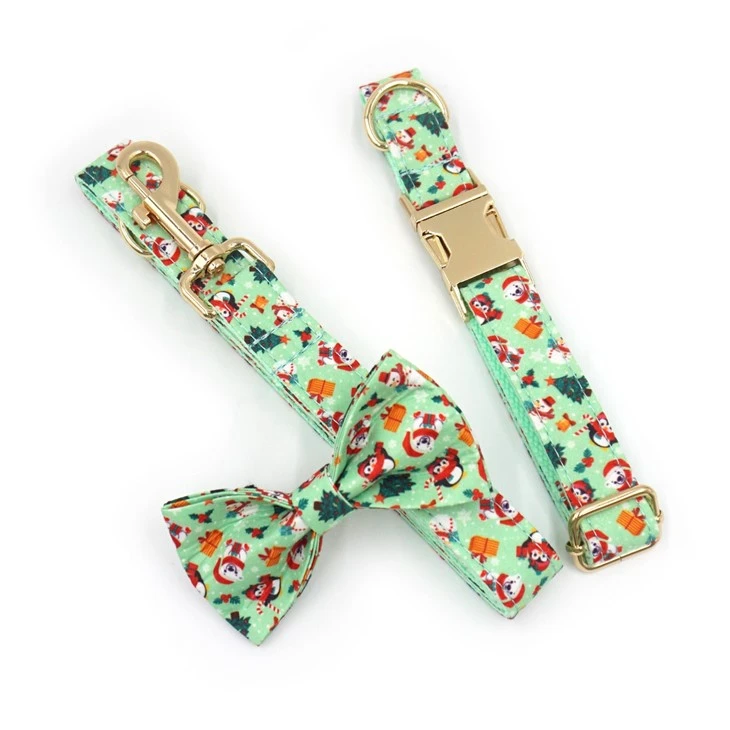
When using a flea and tick collar, make sure to follow the manufacturer's instructions carefully. Adjust the collar so that it fits snugly around your dog's neck but not too tight. Check the collar regularly for signs of wear and tear, and replace it as needed.
Topical Treatments
Topical treatments are another effective way to prevent fleas and ticks. These treatments are applied directly to your dog's skin, usually between the shoulder blades. They work by killing fleas and ticks on contact and providing long-lasting protection.
There are many different topical treatments available, so it's important to choose one that's appropriate for your dog's size and weight. Some popular brands include Frontline, Advantage, and Revolution. These treatments are typically applied once a month, but make sure to follow the instructions on the package.
When applying a topical treatment, part your dog's fur so that you can apply the product directly to the skin. Be careful not to get the product in your dog's eyes, mouth, or ears. After applying the treatment, avoid bathing your dog for at least 48 hours to allow the product to work effectively.
Oral Medications
Oral medications are a relatively new option for flea and tick prevention. These medications are given to your dog by mouth, usually once a month. They work by killing fleas and ticks from the inside out.
One of the advantages of oral medications is that they're very convenient. You don't have to worry about applying a topical treatment or adjusting a collar. However, it's important to note that some dogs may experience side effects from oral medications, such as vomiting, diarrhea, or loss of appetite.
If you're considering using an oral medication for your dog, talk to your veterinarian first. They can help you choose the right medication for your dog's needs and monitor your dog for any side effects.
Keep Your Home and Yard Clean
Fleas and ticks can also live in your home and yard, so it's important to keep these areas clean. Vacuum your carpets, rugs, and furniture regularly to remove any fleas, ticks, or eggs. Wash your dog's bedding in hot water at least once a week to kill any fleas or ticks that may be hiding there.
In your yard, keep the grass trimmed short and remove any debris or clutter. Fleas and ticks like to hide in tall grass and bushes, so keeping your yard tidy can help reduce their population. You can also use a flea and tick spray in your yard to kill any fleas or ticks that may be present.
Check Your Dog After Outdoor Activities
After your dog has been outside, it's important to check them for fleas and ticks. Run your hands over your dog's body, feeling for any small bumps or lumps. Pay special attention to areas like the ears, neck, and belly.
If you find a tick on your dog, use a pair of tweezers to remove it. Grasp the tick as close to the skin as possible and pull it straight out with a steady, even pressure. Make sure to remove the entire tick, including the head. After removing the tick, clean the area with rubbing alcohol or soap and water.
Consider Natural Remedies
If you're looking for a more natural way to prevent fleas and ticks, there are several options available. Some natural remedies include using essential oils, such as lavender, eucalyptus, or lemon. You can mix a few drops of these oils with water and spray the solution on your dog's coat. However, it's important to note that some essential oils can be toxic to dogs, so make sure to do your research and use them with caution.
Another natural remedy is to feed your dog a diet that's rich in omega-3 fatty acids. These fatty acids can help to improve your dog's skin and coat health, making them less attractive to fleas and ticks. You can find omega-3 fatty acids in fish oil supplements or in certain types of dog food.
Conclusion
Preventing fleas and ticks on your dog is an ongoing process, but it doesn't have to be difficult. By following these tips and using the right products, you can keep your dog flea and tick-free and protect them from the diseases these parasites can carry.
As a dog products supplier, I offer a wide range of high-quality flea and tick prevention products, including collars, topical treatments, and oral medications. If you're interested in learning more about our products or have any questions about flea and tick prevention, please don't hesitate to contact me for a procurement discussion.
References
- American Kennel Club. (n.d.). Flea and Tick Prevention for Dogs. Retrieved from https://www.akc.org/expert-advice/health/flea-and-tick-prevention-for-dogs/
- PetMD. (n.d.). Fleas and Ticks on Dogs. Retrieved from https://www.petmd.com/dog/conditions/parasites/c_dg_fleas_and_ticks
- The Spruce Pets. (n.d.). How to Prevent Fleas and Ticks on Dogs. Retrieved from https://www.thesprucepets.com/preventing-fleas-and-ticks-on-dogs-4175332