

Hey there, fellow dog lovers and pet store owners! As a supplier of PVC dog collars, I've seen my fair share of issues when it comes to these trendy accessories. One of the most common problems I hear about is cracking. Nobody wants a collar that falls apart after just a few uses, right? So, in this blog, I'm gonna share some tips on how to prevent a PVC dog collar from cracking.
Understanding PVC Dog Collars
First things first, let's talk a bit about what PVC is. PVC stands for polyvinyl chloride, which is a type of plastic. It's a popular choice for dog collars because it's durable, waterproof, and comes in a wide range of colors. You can check out our Colorful PVC Dog Collar for a variety of options.
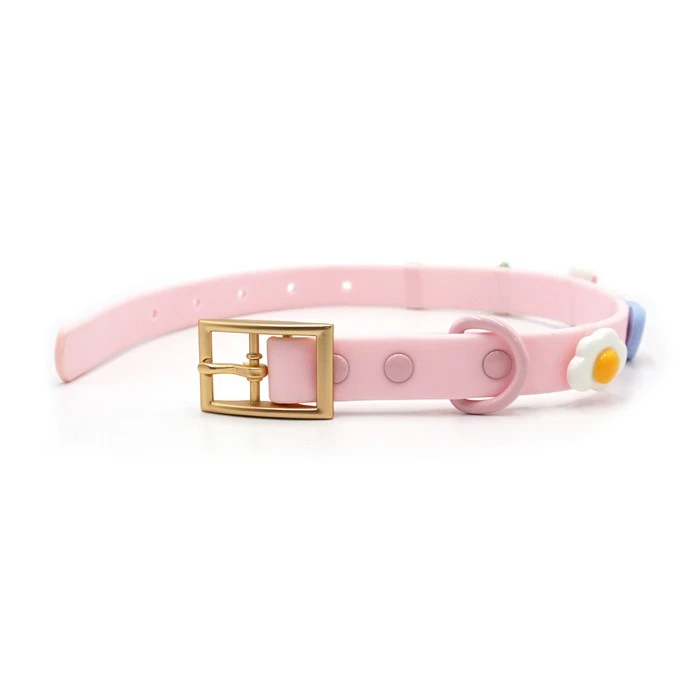

However, like any material, PVC has its limitations. Over time, it can become brittle and start to crack. This can happen due to a few different factors, such as exposure to sunlight, extreme temperatures, and rough handling.
Factors That Cause Cracking
Sunlight
Sunlight contains ultraviolet (UV) rays, which can break down the chemical bonds in PVC. This makes the material weaker and more prone to cracking. If your dog spends a lot of time outdoors, especially in direct sunlight, the collar is at a higher risk of damage.
Extreme Temperatures
Both hot and cold temperatures can affect PVC. In high heat, the material can become soft and lose its shape. On the other hand, in cold temperatures, it can become stiff and brittle. If you live in an area with extreme weather conditions, you need to be extra careful with your dog's collar.
Rough Handling
Dogs are active creatures, and they love to play. Sometimes, this can lead to rough handling of the collar. Pulling, tugging, and chewing on the collar can all cause stress on the PVC, leading to cracks.
Prevention Tips
Limit Sun Exposure
One of the easiest ways to prevent cracking is to limit your dog's exposure to sunlight. If your dog is going to be outside for a long time, try to keep them in the shade as much as possible. You can also consider using a dog house or a covered area where they can rest.
Another option is to use a UV protectant spray on the collar. These sprays can help to block the UV rays and protect the PVC. Just make sure to choose a spray that is safe for pets.
Control Temperature
If you live in a hot climate, avoid leaving your dog in a parked car. The temperature inside a car can rise quickly, even on a mild day, and this can damage the collar. In cold weather, you can consider using a neoprene or fleece-lined collar over the PVC collar to provide some insulation.
Handle with Care
Teach your dog to be gentle with their collar. Avoid pulling on the collar too hard when walking your dog. If your dog has a habit of chewing on the collar, you can try using a bitter apple spray or a chew toy to distract them.
Regular Cleaning
Regular cleaning is important to keep the collar in good condition. Use a mild soap and water to clean the collar, and then dry it thoroughly. Avoid using harsh chemicals or abrasive cleaners, as these can damage the PVC.
Choosing the Right PVC Dog Collar
Not all PVC dog collars are created equal. When choosing a collar, look for one that is made from high-quality PVC. A good quality collar will be more resistant to cracking and other types of damage.
You can also look for collars that have additional features, such as reinforced stitching or a padded lining. These features can help to make the collar more durable and comfortable for your dog. Check out our Colorful PVC Dog Collar for some great options.
Storage
Proper storage is also important to prevent cracking. When not in use, store the collar in a cool, dry place. Avoid folding or bending the collar, as this can cause stress on the material. You can hang the collar on a hook or store it in a plastic bag to keep it safe.
Conclusion
Preventing a PVC dog collar from cracking is all about taking good care of it. By following these tips, you can help to extend the life of your dog's collar and keep it looking great.
If you're a pet store owner or a retailer looking for high-quality PVC dog collars, I'd love to talk to you. We have a wide range of products to choose from, and we offer competitive prices and excellent customer service. Contact us today to start a purchase negotiation and see how we can meet your needs.
References
- American Chemistry Council. (n.d.). Polyvinyl Chloride (PVC). Retrieved from [Website URL]
- National Institute of Standards and Technology. (n.d.). Polymers and Plastics. Retrieved from [Website URL]