

Hey there, fellow cat lovers! As a cat collar set supplier, I've seen it all when it comes to the wear and tear of these cute accessories. You want a collar that not only looks great on your furry friend but also lasts through all their adventures. So, let's dive into how to check the durability of a cat collar set.
1. Material Matters
First things first, the material of the collar is a huge factor. Different materials have different levels of durability.
Velvet Collars
Velvet collars are super stylish. Take our Rose Red Velvet Cat Collar for example. Velvet is soft and looks luxurious, but it can be a bit delicate. To check its durability, give it a gentle tug. A good - quality velvet collar should hold up without the fibers fraying easily. You can also run your fingers along the edges. If the edges are cleanly finished and don't have loose threads, that's a good sign. Our velvet collars are made with high - grade velvet that's been treated to resist minor abrasions.
Military Green Velvet Collar Sets
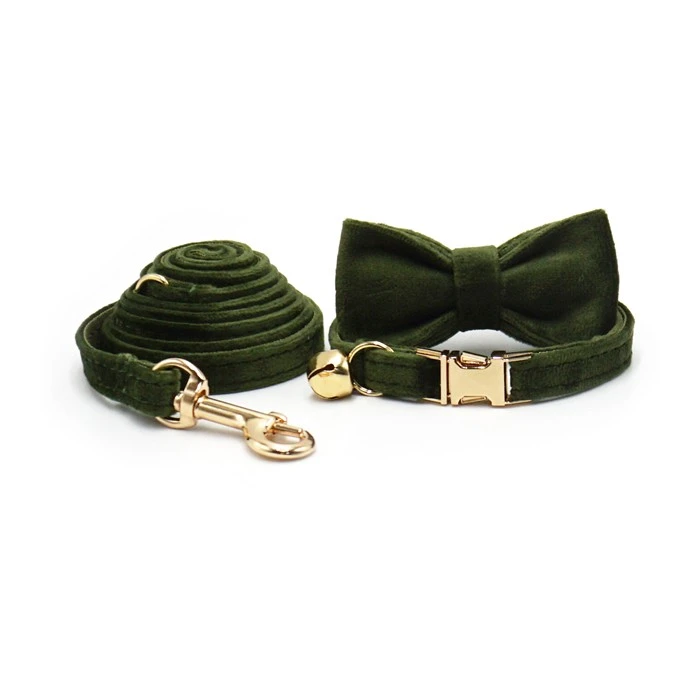
The Military Green Velvet Cat Collar Set is another great option. Velvet in this set is usually a bit more robust because it's often used in a set with other components. Check the stitching that holds the different parts together. The stitches should be tight and evenly spaced. If you see any loose or uneven stitches, it might not hold up well over time. Also, look at the attachment points for things like bells or tags. They should be firmly sewn or attached to the collar so they don't come off easily.
Corduroy Collars
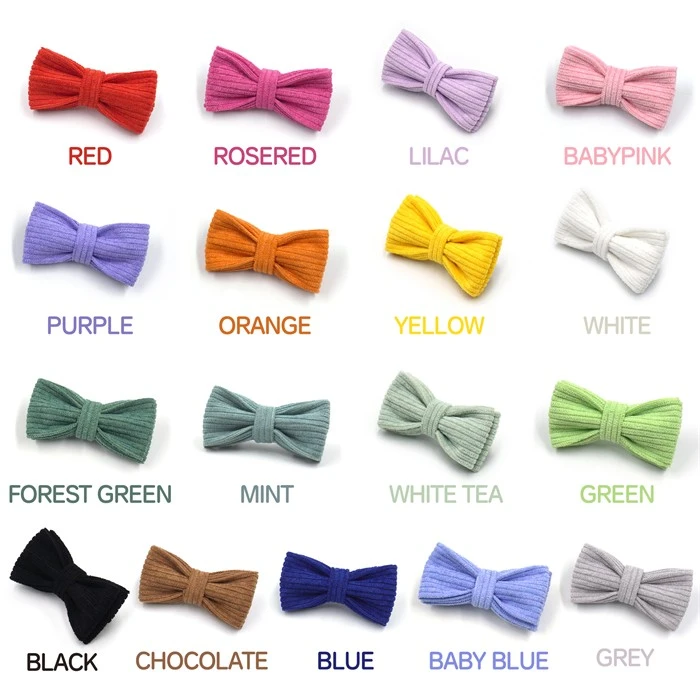
Corduroy is a bit sturdier than velvet. Our Corduroy Cat Collar and Bow Tie is a prime example. To test its durability, try rubbing the corduroy between your fingers. If it doesn't pill or shed fibers quickly, it's a good indication of quality. Corduroy with a tight wale (the ridges) is generally more durable. Also, check the colorfastness. You can dampen a white cloth and rub it gently on a small, hidden part of the collar. If there's no color transfer, the dye is likely to be long - lasting.
2. Hardware Inspection
The hardware on a cat collar set is just as important as the material.
Buckles
Buckles are what keep the collar on your cat. A good buckle should be easy to open and close but also stay securely fastened. Try opening and closing the buckle a few times. It should operate smoothly without getting stuck. Check the material of the buckle. Plastic buckles are lightweight but can crack over time, especially if your cat is rough. Metal buckles are usually more durable, but make sure they're not prone to rusting. Look for buckles with a smooth finish and no sharp edges that could irritate your cat's skin.
D - Rings
D - rings are used to attach tags and other accessories. They should be made of sturdy material. Give the D - ring a little pull. It should be firmly attached to the collar and not wiggle or come loose. A well - made D - ring will have a smooth surface so that tags don't get caught on it. If the D - ring is too thin or flimsy, it might break under the weight of tags or during your cat's playtime.
3. Stitching and Seams
Stitching is what holds the collar together.
Straight Stitching
Straight stitching is commonly used on collars. Check the length of the stitches. They should be neither too long nor too short. Long stitches might come undone easily, while extremely short stitches can make the collar stiff and uncomfortable for your cat. Also, look at the tension of the stitches. They should be tight enough to hold the fabric together but not so tight that they pull and distort the material.
Seams
Seams are where different pieces of fabric are joined. A well - constructed seam should be flat and smooth. You can run your fingers along the seam to feel for any bumps or rough edges. If the seam is poorly sewn, it can be a weak point in the collar and might start to come apart over time.
4. Testing the Elasticity (if applicable)
Some cat collars have elastic sections for a more comfortable fit.
Stretch Test
If your collar has elastic, gently stretch it. It should stretch easily but also snap back into place without losing its shape. If the elastic feels loose or doesn't return to its original size, it won't hold the collar properly on your cat. You don't want a collar that becomes too loose and falls off or too tight and restricts your cat's movement.
5. Resistance to Chewing
Let's face it, cats love to chew on things.
Taste and Texture
Some materials are more appealing to cats to chew on than others. If you're worried about your cat chewing the collar, choose materials that are less likely to be appealing. For example, some cats might not like the taste or texture of certain types of nylon or treated fabrics. You can also look for collars that have a bitter - tasting coating (although make sure it's safe for cats).
Chew - Resistance Test
If you have a particularly chewy cat, you can do a little test. You can offer your cat a small, similar piece of the collar material (under supervision, of course). If your cat shows little interest in chewing it, it's a good sign that the collar might withstand their chewing tendencies.
6. Real - World Testing
Sometimes, the best way to check durability is to see how the collar performs in real - life situations.
Indoor Testing
Put the collar on your cat indoors for a short period. Watch how your cat behaves. Does the collar seem to irritate them? Check for any signs of the collar getting caught on furniture or other objects. If it does, it might not be suitable for long - term use. Also, observe if the collar stays in place and if the hardware functions properly during your cat's normal activities like walking, running, and playing.
Outdoor Testing (with caution)
If your cat goes outdoors, you can let them wear the collar for a short time outside. However, make sure your cat is supervised. Check the collar after the outdoor adventure. Look for any signs of damage from branches, grass, or other outdoor elements. A durable collar should be able to handle a bit of rough - and - tumble in the great outdoors.
As a cat collar set supplier, I know how important it is to have a durable collar for your beloved pet. We take great care in sourcing high - quality materials and using top - notch manufacturing processes to ensure that our collars meet the highest standards of durability. If you're interested in our cat collar sets and want to discuss your specific needs or place an order, feel free to reach out to us. We're always happy to help you find the perfect collar for your furry friend.
References
- General knowledge of cat collar manufacturing and quality control.
- Experience in the cat collar supply industry.