

Determining the appropriate feeding frequency for your dog is a crucial aspect of responsible pet ownership. As a supplier of high - quality dog products, I understand the importance of not only providing the best gear for your furry friends but also offering valuable advice on their well - being. In this blog, I'll delve into the factors that influence how often you should feed your dog and provide some general guidelines.
Factors Affecting Feeding Frequency
Age
Age plays a significant role in determining how often a dog should be fed. Puppies have higher energy requirements compared to adult dogs because they are in a stage of rapid growth and development. Their small stomachs can't hold large amounts of food at once, so they need to eat more frequently.
Newborn puppies rely entirely on their mother's milk for the first few weeks. As they start to wean, usually around 3 - 4 weeks of age, they can be introduced to solid food. Puppies between 6 - 12 weeks old typically need to be fed 3 - 4 times a day. This frequent feeding schedule ensures they get enough nutrients to support their growth.
As puppies grow older, around 3 - 6 months, the feeding frequency can be gradually reduced to 3 times a day. By the time they reach 6 - 12 months, most puppies can transition to 2 meals a day, which is the standard feeding schedule for adult dogs.
Adult dogs, generally considered those over 1 year old, usually do well with 2 meals a day. This helps maintain a stable blood sugar level and keeps their digestive system functioning properly. However, some large - breed dogs may benefit from 1 - 2 smaller meals and a light snack in between due to their slower metabolism and the risk of bloat.
Senior dogs, typically over 7 years old, may also require a slightly adjusted feeding schedule. Their metabolism slows down, and they may become less active. Some senior dogs might do better with 2 smaller, more easily digestible meals a day.
Breed and Size
The size and breed of your dog also impact its feeding needs. Small - breed dogs have a faster metabolism than large - breed dogs. They burn calories more quickly and thus may need more frequent, smaller meals. For example, a Chihuahua or a Yorkshire Terrier might do well with 3 small meals a day even as an adult.
On the other hand, large - breed dogs, such as Great Danes or Saint Bernards, have a slower metabolism. Feeding them large amounts of food at once can increase the risk of bloat, a life - threatening condition. So, large - breed dogs often benefit from being fed 2 or even 3 smaller meals a day to reduce this risk.
Activity Level
An active dog burns more calories and may require more frequent feeding or larger portions. Working dogs, such as Border Collies used for herding or police dogs, are extremely active. They may need 3 - 4 meals a day to replenish the energy they expend.
Conversely, a sedentary dog that spends most of its time indoors sleeping may do well with just 2 small meals a day. For example, a toy poodle that has a relatively low - key lifestyle can get by with a more conservative feeding schedule.
Health Conditions
Certain health conditions can also affect a dog's feeding frequency. Dogs with diabetes need to be fed at regular intervals with consistent amounts of food to help regulate their blood sugar levels. Typically, diabetic dogs are fed 2 - 3 small meals a day.
Dogs with gastrointestinal issues, such as sensitive stomachs or irritable bowel syndrome, may also benefit from smaller, more frequent meals. This helps ease the digestive process and reduces the likelihood of stomach upset.
General Feeding Guidelines
Based on the above factors, here are some general feeding guidelines:
Puppies:
- 6 - 12 weeks: 3 - 4 small meals a day
- 3 - 6 months: 3 meals a day
- 6 - 12 months: Transition to 2 meals a day
Adult Dogs:
- Small - breed (under 20 lbs): 2 - 3 small meals a day
- Medium - breed (20 - 50 lbs): 2 meals a day
- Large - breed (over 50 lbs): 2 or 3 smaller meals a day
Senior Dogs:
- Most senior dogs: 2 smaller meals a day
It's important to note that these are just guidelines. Every dog is unique, and you should consult your veterinarian for personalized advice based on your dog's specific needs.
Importance of a Consistent Feeding Schedule
Maintaining a consistent feeding schedule is beneficial for several reasons. First, it helps regulate your dog's digestive system. Dogs, like humans, have internal clocks, and a regular feeding routine can help them anticipate when they will eat. This makes it easier for their bodies to digest food efficiently.

Second, a consistent schedule can help with house - training. When you feed your dog at the same times each day, it becomes easier to predict when they will need to go outside to relieve themselves.
Lastly, a regular feeding schedule can contribute to your dog's overall behavior and well - being. Dogs feel more secure when they know what to expect, and a consistent feeding routine provides a sense of stability in their daily lives.
Our Dog Products to Complement Your Feeding Routine
As a dog products supplier, we offer a wide range of products to enhance your dog's life. When it comes to taking your dog out for their post - meal walks, our Teddy Velvet Dog Leash Collar provides both comfort and style. The soft teddy velvet material ensures that your dog feels comfortable while the collar is on, and it comes with a sturdy leash for easy control.
If you're looking for something a bit more fashionable, our Fashionable Dog Collar Set is a great choice. This set includes a stylish collar and a matching leash, allowing your dog to be the talk of the town during walks.
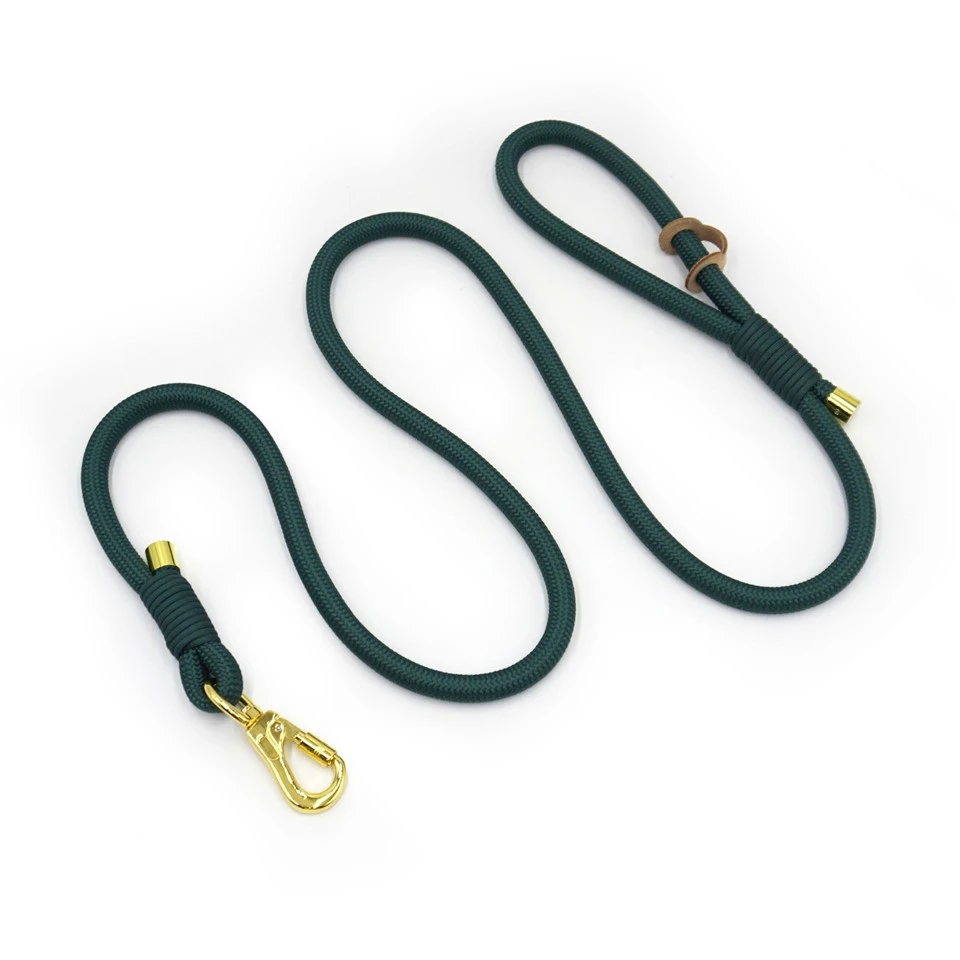
For those who prefer a more traditional option, our Colorful Dog Rope Leash is both durable and eye - catching. The colorful ropes add a fun touch to your dog's outdoor adventures.
Looking to Procure Our Dog Products?
We are always on the lookout for new partners to collaborate with. If you are interested in sourcing high - quality dog products from us, we invite you to reach out for a procurement discussion. Whether you run a pet store, an online pet marketplace, or are involved in pet - related events, our products are sure to meet your needs. We offer competitive pricing, a wide range of product options, and excellent customer service. Don't hesitate to contact us to explore how we can work together to bring the best products to dog owners everywhere.
References
- Larsen, L. M. (2019). Canine Nutrition for Holistic Health. Woof Publishing.
- Dodman, N. H., & Reisner, I. R. (2015). Handbook of Behavior Problems of the Dog and Cat. Elsevier Health Sciences.
- King, J. N. (2016). Small Animal Clinical Nutrition. Mark Morris Institute.