

Hey there, fellow dog lovers! As a supplier of personalized dog collars, I've heard my fair share of woes about dogs chewing on their fancy new collars. It's a common issue, but don't worry—I've got some tips and tricks to help you keep your dog's collar in one piece.
First off, let's understand why dogs chew in the first place. Puppies, especially, are like little furballs of curiosity. Their teeth are coming in, and chewing helps soothe the discomfort. It's also a way for them to explore the world around them. Adult dogs might chew out of boredom, anxiety, or just because they like the taste or texture of the collar.
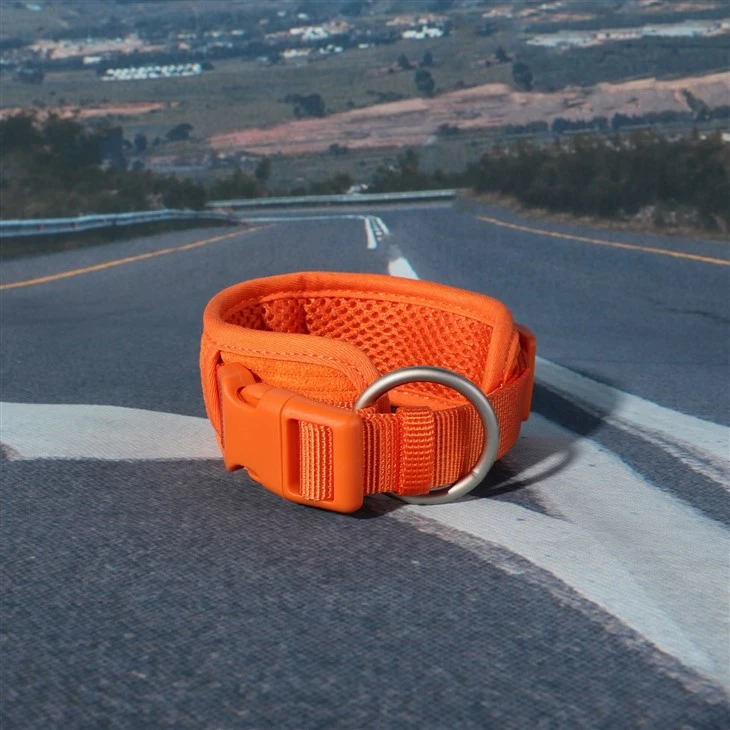
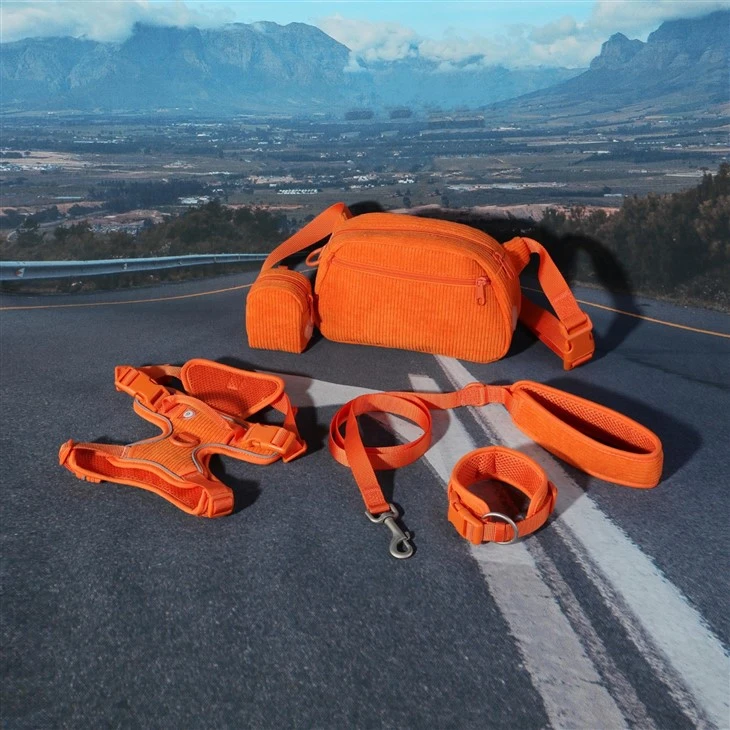
One of the easiest ways to prevent collar chewing is to choose the right collar material. Some dogs are more likely to chew on certain textures. For example, if your dog has a penchant for soft materials, steer clear of collars made from fabrics like the Orange Corduroy Dog Set. Instead, opt for a sturdier material like nylon or leather. These materials are less likely to be appealing to a chewing dog and are also more durable.
Training is another crucial aspect. Start by teaching your dog the "leave it" command. This is a simple yet powerful command that can come in handy in many situations, not just when it comes to collar chewing. Here's how you can train your dog to "leave it":
- Take a small treat in your hand and close your fist around it.
- Show your closed fist to your dog and say "leave it."
- Your dog will probably sniff, paw, or try to get the treat. Ignore these behaviors and wait for your dog to back off.
- As soon as your dog stops trying to get the treat and looks away, say "good" and give them a different treat from your other hand.
- Repeat this process several times a day until your dog reliably responds to the "leave it" command.
Once your dog has mastered the "leave it" command, you can use it when they start to chew on their collar. Just say "leave it" firmly, and when they stop, praise them and give them a treat.
Boredom is a major culprit when it comes to collar chewing. Dogs need mental and physical stimulation to stay happy and healthy. Make sure your dog gets plenty of exercise every day. A tired dog is less likely to engage in destructive behaviors like chewing. You can take your dog for walks, play fetch, or go to the dog park.
In addition to physical exercise, provide your dog with plenty of mental stimulation. Puzzle toys are a great way to keep your dog's mind occupied. You can fill them with treats or kibble, and your dog will have to figure out how to get the food out. This not only keeps them entertained but also satisfies their natural foraging instincts.
Another option is to use a deterrent spray. There are many commercial deterrent sprays available that are designed to taste bad to dogs. Spray the deterrent on your dog's collar, and the unpleasant taste will discourage them from chewing. Just make sure to choose a spray that is safe for dogs and won't cause any irritation.
If your dog is chewing on their collar out of anxiety, it's important to address the underlying cause of the anxiety. Some dogs may be anxious when they're left alone, in new environments, or around other animals. You can try using calming aids like pheromone diffusers or calming supplements. These can help reduce your dog's anxiety and make them less likely to chew on their collar.
It's also a good idea to rotate your dog's collars. Having a few different collars on hand gives your dog a variety of options and can prevent them from getting bored with one particular collar. For example, you could alternate between the Caramel Dog Collar Set and the Christmas Gingerbread Dog Collar Set depending on the occasion or your dog's mood.
Now, let's talk about the importance of a well-fitting collar. A collar that is too tight can be uncomfortable for your dog and may cause them to chew on it in an attempt to relieve the discomfort. On the other hand, a collar that is too loose can slip off easily or get caught on things, which can also lead to chewing. Make sure to measure your dog's neck accurately and choose a collar that fits snugly but not too tightly. You should be able to fit two fingers between the collar and your dog's neck.
Finally, if all else fails, you might want to consider using a muzzle. This should be a last resort, as muzzles can be uncomfortable for dogs and should only be used for short periods of time. However, if your dog is causing significant damage to their collar or is at risk of swallowing pieces of it, a muzzle can be a temporary solution.
In conclusion, preventing your dog from chewing on their personalized dog collar requires a combination of the right collar material, training, exercise, mental stimulation, and addressing any underlying issues like anxiety. By following these tips, you can keep your dog's collar looking great and ensure their safety.
If you're interested in purchasing high-quality personalized dog collars for your furry friends or for resale, we'd love to hear from you. Whether you're a pet store owner, a dog groomer, or just someone who loves dogs and wants to offer unique products, we can provide you with a wide range of options to suit your needs. Reach out to us to start a conversation about your requirements and let's work together to keep those tails wagging!
References
- Overall, K. L. (2013). Clinical Behavior Medicine for Small Animals. Elsevier Health Sciences.
- Dunbar, S. (2006). Before and After Getting Your Puppy. Dogwise Publishing.