

Measuring your dog for a velvet dog leash is a crucial step to ensure both comfort and safety for your furry friend. As a supplier of high - quality Velvet Dog Leash, I understand the importance of getting the right fit. In this blog, I'll share some practical tips on how to measure your dog accurately for a leash, and explain why a well - fitting leash is so important.
Why Measuring Your Dog for a Leash is Important
A properly measured leash is essential for several reasons. Firstly, it ensures your dog's comfort. A leash that is too tight can cause chafing and discomfort, while a leash that is too long may pose a tripping hazard. Secondly, a well - fitting leash gives you better control over your dog during walks. You can easily guide your dog's movements without having to worry about the leash slipping off or being too loose to manage. Finally, a correct measurement helps to maintain the durability of the leash. When a leash is used under the right conditions and fits properly, it is less likely to wear out quickly.
Tools You'll Need
Before you start measuring your dog, gather the necessary tools. You will need a flexible measuring tape, the kind commonly used for sewing or taking body measurements. Make sure the tape is long enough to go around your dog's neck or the part of the body where the leash will be attached. You might also want to have a treat on hand to keep your dog calm and cooperative during the measuring process.
Measuring Your Dog's Neck
If you plan to use the leash with a collar, measuring your dog's neck is the first step. Here's how to do it:
- Prepare Your Dog: Find a quiet and comfortable place where your dog can stand or sit still. Offer a treat to keep your dog calm and focused.
- Place the Measuring Tape: Wrap the measuring tape around the base of your dog's neck, where the collar would normally sit. The base of the neck is usually just behind the ears. Make sure the tape is snug but not too tight. You should be able to fit two fingers between the tape and your dog's neck.
- Take the Measurement: Read the measurement on the tape where it meets the starting point. Note down this measurement. It's a good idea to measure your dog's neck a few times to ensure accuracy. If the measurements vary slightly, take the average.
Measuring Your Dog's Chest
For some dogs, especially those who pull a lot on the leash, a harness might be a better option. When using a harness, you need to measure your dog's chest. Here's the process:
- Locate the Right Spot: The chest measurement is taken around the widest part of your dog's chest, which is usually just behind the front legs.
- Wrap the Tape: Gently wrap the measuring tape around your dog's chest at the designated spot. Again, make sure the tape is snug but allows for some movement. You should still be able to fit two fingers between the tape and your dog's chest.
- Record the Measurement: Read the measurement and write it down. As with the neck measurement, take multiple measurements to ensure accuracy.
Considering Your Dog's Growth
If your dog is a puppy, keep in mind that it will grow. When choosing a leash or a collar, select one that can be adjusted to accommodate your dog's growth. For example, some collars and harnesses have multiple holes for adjustment. You can also opt for a slightly larger size initially, but make sure it's not so large that it poses a safety risk.
Different Types of Leashes and Their Fit Requirements
In addition to Velvet Dog Leash, we also offer Corduroy Dog Lead. Different types of leashes may have different fit requirements.
- Standard Leashes: These are the most common type of leashes. They are usually attached to a collar or a harness. The length of the leash can vary depending on your dog's size and your walking preferences. For small dogs, a shorter leash might be more manageable, while larger dogs can handle a longer leash.
- Retractable Leashes: Retractable leashes allow your dog more freedom of movement. However, they still need to be used with a properly - fitting collar or harness. When measuring for a retractable leash, the same neck or chest measurements apply as with standard leashes.
- Double - ended Leashes: Double - ended leashes are useful if you have two dogs. They require accurate measurements for both dogs to ensure a proper fit.
Factors to Consider When Choosing a Leash Based on Measurements
Once you have your dog's measurements, there are several factors to consider when choosing a leash.
- Material: Velvet is a soft and luxurious material that is gentle on your dog's skin. It's also durable and can withstand regular use. Corduroy is another option, which is more rugged and suitable for active dogs.
- Width: The width of the leash should be appropriate for your dog's size. Smaller dogs can use narrower leashes, while larger dogs need wider ones for better control.
- Length: The length of the leash depends on your dog's behavior and your walking environment. If you have a dog that tends to pull, a shorter leash might give you more control. In open areas, a longer leash can allow your dog more freedom to explore.
Tips for Ensuring a Good Fit
After you've chosen a leash based on your dog's measurements, here are some tips to ensure a good fit:
- Test the Fit: Once you have the leash, put it on your dog and let your dog walk around for a few minutes. Observe your dog's behavior. If your dog seems uncomfortable or is trying to get out of the leash, it might not fit properly.
- Adjust as Needed: If the leash is too tight or too loose, make the necessary adjustments. Most collars and harnesses have adjustable straps that can be tightened or loosened.
- Check Regularly: Your dog's weight and size can change over time. Check the fit of the leash regularly, especially if your dog has gained or lost weight.
Conclusion
Measuring your dog for a leash is an important process that ensures your dog's comfort, safety, and your control during walks. By following the steps outlined in this blog, you can accurately measure your dog and choose the right Velvet Dog Leash or Corduroy Dog Lead for your furry friend.

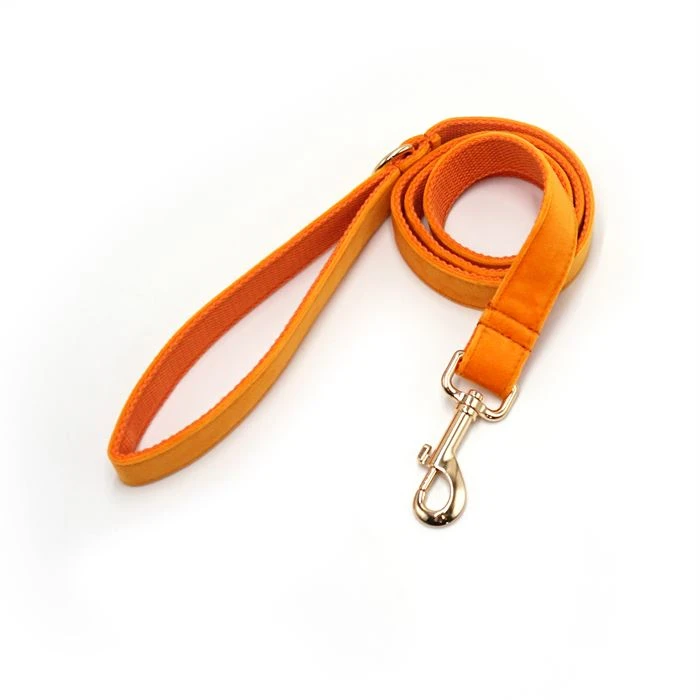
If you're interested in purchasing high - quality dog leashes for your pet store or for resale, we'd love to hear from you. We offer a wide range of leashes in different sizes, materials, and styles to meet your needs. Contact us for more information on our products and to start a procurement discussion.
References
- "The Complete Guide to Dog Leashes" by Canine Care Experts
- "Dog Harness and Collar Fitting" by Pet Health Magazine