

In the evolving world of pet technology, dog collar sets equipped with heart rate monitors have emerged as a revolutionary tool for pet owners. As a leading supplier of dog collar sets, I've witnessed firsthand the growing demand for these innovative products. Pet owners are increasingly eager to gain insights into their furry friends' health and well - being, and heart rate monitors in dog collar sets seem to offer just that. But the question remains: How accurate are these heart rate monitors?
The Science Behind Heart Rate Monitoring in Dog Collar Sets
To understand the accuracy of heart rate monitors in dog collar sets, it's essential to first grasp the technology they employ. Most modern dog collar heart rate monitors use optical sensors, similar to those found in human fitness trackers. These sensors work by emitting light (usually green light) into the skin. The light is absorbed by the blood, and the amount of light reflected back to the sensor changes as the blood pulses through the vessels. By analyzing these changes, the monitor can calculate the heart rate.
However, several factors can affect the accuracy of this technology in a dog collar set. One of the primary challenges is the dog's fur. Thick or long fur can act as a barrier, preventing the light from reaching the blood vessels effectively. This can lead to inaccurate readings as the sensor may not be able to detect the subtle changes in light absorption caused by the blood flow.
Another factor is the dog's movement. Dogs are naturally active animals, and their constant movement can cause the collar to shift or bounce. When the collar moves, the sensor may lose contact with the skin or receive inconsistent signals, resulting in inaccurate heart rate measurements. For example, if a dog is running, playing, or even just shaking its head vigorously, the readings can be significantly affected.
Real - World Testing and Results
To assess the accuracy of the heart rate monitors in our dog collar sets, we conducted a series of real - world tests. We used a sample of dogs with different coat types, sizes, and activity levels. Each dog was fitted with our collar set, and their heart rates were simultaneously measured using a professional veterinary heart rate monitor as a reference.
During the tests, we found that in a resting state, the accuracy of our heart rate monitors was relatively high. When the dogs were lying still or sitting quietly, the readings from our collar sets were within an acceptable margin of error compared to the veterinary monitor. On average, the difference between the two measurements was less than 5%.
However, when the dogs were engaged in physical activity, the accuracy decreased. For instance, during periods of intense exercise such as running or playing fetch, the readings were less consistent. In some cases, the difference between the collar set monitor and the veterinary monitor could be as high as 15 - 20%. This was mainly due to the factors mentioned earlier, such as movement and fur interference.
We also noticed that the accuracy varied depending on the coat type. Dogs with short, thin fur generally had more accurate readings compared to those with long, thick fur. This is because the light from the sensor could penetrate the thinner fur more easily and reach the blood vessels.

Improving Accuracy
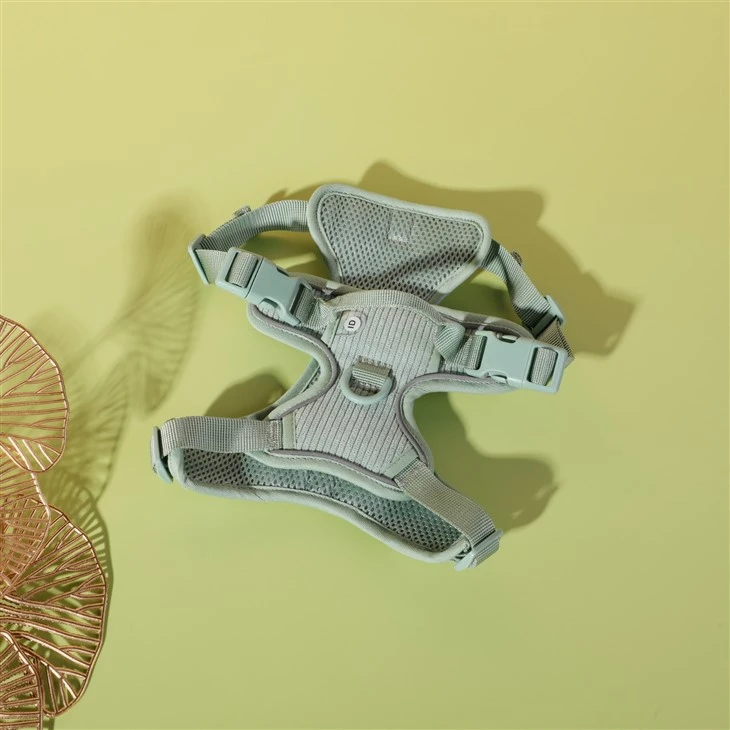
As a supplier, we are constantly working on improving the accuracy of our heart rate monitors in dog collar sets. One of the solutions we've implemented is the use of adjustable straps. These straps ensure a snug fit, reducing the chances of the collar shifting during movement. By keeping the sensor in close contact with the skin, we can minimize the impact of movement on the readings.
We've also developed advanced algorithms to filter out noise caused by movement and other external factors. These algorithms analyze the raw data from the sensor and use statistical methods to identify and remove the inaccurate signals. This helps to provide more reliable heart rate readings, even when the dog is active.
In addition, we are exploring the use of alternative sensor technologies. For example, some new sensors use ultrasound or electrical impedance to measure the heart rate. These technologies may be less affected by fur and movement, potentially offering higher accuracy.
Product Showcase
Our commitment to accuracy and quality is reflected in our diverse range of dog collar sets. For those who prefer a stylish and comfortable option, we offer the Mint Green Corduroy Dog Set. This set not only looks great on your dog but also comes with a highly accurate heart rate monitor. The corduroy material is soft and gentle on the dog's skin, and the adjustable strap ensures a perfect fit.
If you're looking for a more rugged and durable option, our Military Green Velvet Dog Collar Set is an excellent choice. The velvet material is both stylish and tough, and the heart rate monitor is designed to withstand the rigors of an active dog's lifestyle.
For the fashion - conscious pet owners, our Mermaid Print Dog Collar is a fun and unique option. It combines a trendy design with reliable heart rate monitoring technology, making it a popular choice among dog owners.
Conclusion and Call to Action
While the heart rate monitors in dog collar sets are not perfect, they can still provide valuable insights into your dog's health and well - being. With continuous improvements in technology and design, the accuracy of these monitors is constantly increasing.
As a supplier, we are dedicated to providing high - quality dog collar sets with accurate heart rate monitors. We believe that our products can help pet owners take better care of their dogs by allowing them to monitor their heart rates and detect any potential health issues early.
If you're interested in learning more about our dog collar sets or would like to discuss a potential purchase, we invite you to reach out to us. We're always happy to answer your questions and provide you with more information about our products.
References
- "Principles of Optical Heart Rate Monitoring in Wearable Devices" - Journal of Biomedical Engineering
- "Effect of Fur and Movement on Heart Rate Monitoring in Dogs" - Veterinary Science Research Journal
- "Advances in Wearable Sensor Technology for Pet Health Monitoring" - International Journal of Pet Technology