

Hey there, fellow dog lovers! I'm a supplier of Nylon Dog Collars, and today I want to dig into a question that often pops up in our line of work: Do nylon dog collars stretch over time?
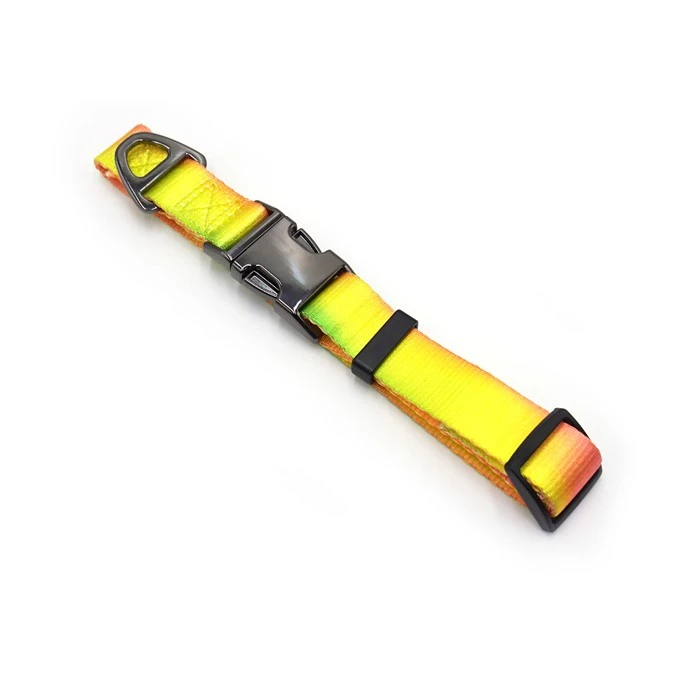

Let's start by understanding what nylon is. Nylon is a synthetic polymer, and it's known for its durability, strength, and resistance to abrasion. That's why it's a popular choice for dog collars. It can withstand the rough and tumble of a dog's daily adventures, whether they're chasing squirrels in the park or just playing tug - of - war at home.
But back to the main question. The short answer is, yes, nylon dog collars can stretch over time. However, it's not as straightforward as it might seem. There are several factors that come into play when it comes to the stretching of nylon dog collars.
Factors Affecting Nylon Collar Stretching
1. Quality of the Nylon
The quality of the nylon used in the collar makes a huge difference. High - quality nylon is made with better manufacturing processes and stronger fibers. These collars are less likely to stretch compared to lower - quality ones. Cheaper nylon may have thinner fibers or a looser weave, which means they can start to stretch more easily, especially with regular use.
For example, if you buy a really inexpensive nylon dog collar, you might notice it getting a bit loose after a few weeks of your dog wearing it. On the other hand, a high - end Nylon Dog Collars from a reputable supplier will hold its shape much better.
2. Frequency and Intensity of Use
How often your dog wears the collar and what they do while wearing it also matter. If your dog is a super - active pup that's constantly running, jumping, and pulling on the leash, the collar is going to experience a lot of stress. This repeated stress can cause the nylon fibers to stretch.
Let's say you have a Border Collie that loves to play fetch and runs full - speed after the ball. The collar is going to be tugged and pulled every time your dog takes off. Over time, this can lead to stretching. In contrast, if your dog is more of a couch potato and only wears the collar for short walks, the collar will be under less stress and is less likely to stretch.
3. Environmental Conditions
The environment where your dog spends most of their time can impact the collar. Exposure to heat and humidity can cause nylon to expand and become more prone to stretching. If you live in a hot and humid climate, or if your dog spends a lot of time outdoors in the summer, the collar may stretch more quickly.
For instance, if you take your dog on a long hike on a hot, humid day, the collar may start to feel looser by the end of the day. Cold temperatures, on the other hand, can make nylon more rigid, but extreme cold and repeated temperature changes can also weaken the fibers over time, potentially leading to stretching.
4. Cleaning and Maintenance
How you clean and maintain the collar can also play a role. Over - washing the collar, especially in hot water or using harsh detergents, can break down the nylon fibers. This can make the collar more likely to stretch. It's best to follow the manufacturer's cleaning instructions. Usually, a gentle hand - wash in cold water with a mild detergent is sufficient.
Let's say you accidentally throw the nylon collar in the washing machine on a hot cycle. The high temperature and the agitation in the machine can cause the fibers to expand and stretch, and you might end up with a collar that's a bit too loose for your dog.
How to Minimize Stretching
Now that we know what can cause nylon dog collars to stretch, let's talk about how to minimize it.
1. Choose High - Quality Collars
As I mentioned earlier, investing in a high - quality Nylon Dog Collars is the first step. Look for collars that are made from thick, tightly - woven nylon. These collars are built to last and are less likely to stretch. You can ask the supplier about the quality of the nylon and how it's been treated.
2. Adjust Usage
If your dog is super - active, you might want to consider taking breaks from using the collar. For example, if your dog has a really intense play session in the backyard, you could take the collar off during the play and put it back on when you're going for a walk. This reduces the stress on the collar and can slow down the stretching process.
3. Monitor the Environment
Be mindful of the environmental conditions. If it's a hot and humid day, try to keep your dog in a cool, dry place as much as possible. If you're going to be out in the heat for a long time, you might want to check the collar's tightness periodically.
4. Proper Cleaning
Follow the cleaning instructions carefully. If it's recommended to hand - wash, don't toss it in the washing machine. Use a mild detergent and cold water. After washing, let the collar air - dry naturally. Avoid using a dryer, as the heat can damage the nylon fibers.
The Impact of Stretching
When a nylon dog collar stretches, it can have a few consequences. First of all, a stretched collar may not fit your dog properly. If it's too loose, it can slip off easily, which is a big safety concern, especially if your dog is off - leash in an area where they might run into traffic or get lost.
On the other hand, if the collar was already on the tight side and it stretches unevenly, it can rub against your dog's neck and cause irritation or even sores. You don't want your furry friend to be uncomfortable because of a stretched collar.
Alternatives to Nylon Collars
If you're really worried about stretching, there are other types of dog collars available. Velvet Dog Collars are a great alternative. They are soft and comfortable for your dog, but they also come with their own set of pros and cons. Velvet is not as durable as nylon, so it may wear out more quickly, especially if your dog is very active. However, it doesn't stretch as much as nylon in most cases.
Leather collars are another option. They are extremely durable and look stylish. But they require more maintenance than nylon collars. You need to clean and condition leather regularly to keep it in good shape.
Conclusion
So, to sum it all up, nylon dog collars can stretch over time, but there are ways to minimize it. By choosing high - quality collars, being mindful of usage and environmental conditions, and properly maintaining the collar, you can extend its lifespan and keep it fitting your dog perfectly.
If you're in the market for Nylon Dog Collars and want to learn more about our products, we're here to help. Whether you're a pet owner looking for a great collar for your furry friend or a retailer interested in stocking our collars, feel free to reach out and start a conversation. We're always happy to talk about our products and find the best solutions for your needs.
References
- "The Science of Synthetic Polymers", Polymer Research Journal, 2020
- "Dog Collar Materials: A Comparative Analysis", Pet Care Magazine, 2021
- "Maintaining Your Dog's Collar", Canine Health and Wellness Guide, 2022