

Can nylon dog collars be used for training?
As a supplier of high - quality Nylon Dog Collars, I've often been asked whether nylon dog collars are suitable for training purposes. In this blog, I'll explore the various aspects of using nylon dog collars in dog training, weighing their pros and cons to help you make an informed decision.
Advantages of Nylon Dog Collars in Training
Durability
One of the primary reasons nylon dog collars are a popular choice for training is their durability. Nylon is a strong synthetic material that can withstand a lot of wear and tear. During training sessions, dogs may pull, tug, or rub against the collar, and a nylon collar can handle this kind of stress without breaking or fraying easily. For example, if you're training a large and energetic breed like a Labrador Retriever or a German Shepherd, a nylon collar will be able to endure their powerful pulls during leash training.

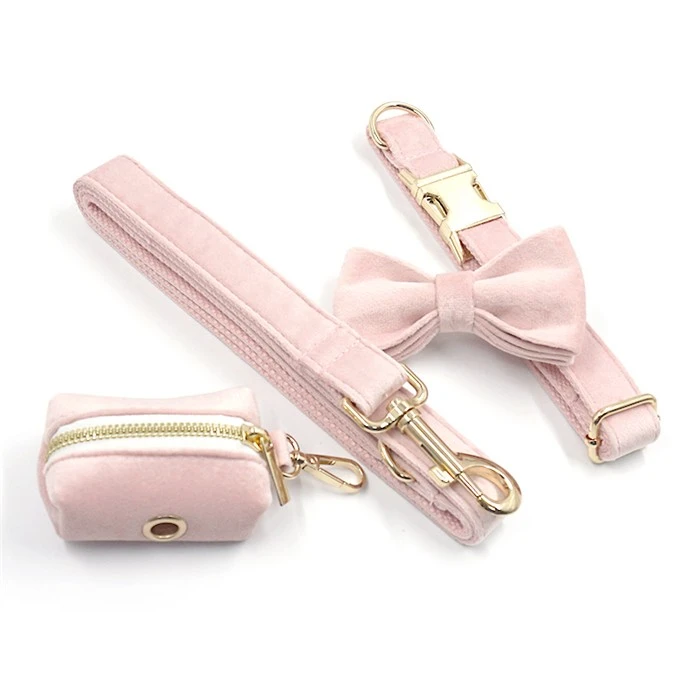
Lightweight
Nylon collars are lightweight, which is beneficial for dogs during training. A heavy collar can be uncomfortable for a dog and may even discourage them from participating in training activities. The lightness of nylon collars allows dogs to move freely and naturally, which is essential for effective training. Whether it's obedience training, agility training, or retrieving exercises, a lightweight nylon collar won't impede the dog's movement or cause unnecessary fatigue.
Variety of Styles and Sizes
Nylon dog collars come in a wide range of styles and sizes, making it easy to find the perfect collar for your dog's training needs. There are flat collars, martingale collars, and even adjustable collars. Flat nylon collars are great for basic obedience training, as they can hold identification tags and are easy to put on and take off. Martingale collars, on the other hand, are useful for dogs that tend to slip out of regular collars, providing a more secure fit during training. Additionally, nylon collars are available in different widths and lengths, ensuring a proper fit for dogs of all breeds and sizes.
Cost - Effective
Compared to some other types of dog collars, such as leather or Velvet Dog Collar, nylon collars are relatively inexpensive. This makes them an attractive option for training, especially if you're on a budget or if you're training multiple dogs. You can purchase several nylon collars at a reasonable price, allowing you to have spares in case one gets dirty or damaged during training.
Easy to Clean
Training can get messy, and nylon collars are easy to clean. You can simply remove the collar from your dog and wash it with mild soap and water. This is important for maintaining good hygiene, as a dirty collar can harbor bacteria and cause skin irritations for your dog. After washing, the collar dries quickly, and it's ready to be used again in the next training session.
Disadvantages of Nylon Dog Collars in Training
Lack of Breathability
One of the drawbacks of nylon dog collars is their lack of breathability. Nylon is a synthetic material that doesn't allow air to circulate as well as natural materials like leather. During long training sessions, especially in hot weather, a nylon collar can cause the dog's neck to become sweaty and uncomfortable. This may lead to skin problems such as rashes or irritation, which can be a hindrance to training.
Potential for Abrasion
Although nylon is a durable material, it can cause abrasion if the collar is too tight or if the dog pulls vigorously against it. This is particularly true for dogs with sensitive skin. The constant rubbing of the nylon against the dog's neck can cause redness, soreness, and even open wounds. To prevent this, it's important to ensure that the collar fits properly and to monitor your dog's behavior during training to avoid excessive pulling.
Tips for Using Nylon Dog Collars in Training
Choose the Right Collar
As mentioned earlier, there are different types of nylon dog collars available. For basic obedience training, a flat nylon collar is usually sufficient. However, if your dog has a tendency to slip out of collars, a martingale collar may be a better choice. Make sure to measure your dog's neck accurately to ensure a proper fit. The collar should be snug enough that it can't slip over your dog's head, but loose enough to allow you to fit two fingers between the collar and your dog's neck.
Introduce the Collar Gradually
Before starting any training, introduce the nylon collar to your dog gradually. Let your dog sniff the collar and get used to its presence. Put the collar on your dog for short periods of time at first, and gradually increase the duration as your dog becomes more comfortable. This will help prevent your dog from associating the collar with negative experiences.
Monitor Your Dog's Skin
Regularly check your dog's neck for any signs of irritation or abrasion. If you notice redness, soreness, or hair loss, remove the collar immediately and consult your veterinarian. You may need to adjust the fit of the collar or switch to a different type of collar if the problem persists.
Use Positive Reinforcement
When using a nylon dog collar for training, always use positive reinforcement techniques. Reward your dog with treats, praise, or playtime when they exhibit the desired behavior. This will help your dog associate the collar with positive experiences and make training more effective.
Conclusion
In conclusion, nylon dog collars can be a great option for training, thanks to their durability, lightweight, variety of styles, cost - effectiveness, and ease of cleaning. However, they also have some disadvantages, such as lack of breathability and potential for abrasion. By choosing the right collar, introducing it gradually, monitoring your dog's skin, and using positive reinforcement, you can effectively use nylon dog collars in your dog's training.
If you're interested in purchasing high - quality nylon dog collars for your training needs, I invite you to contact me for more information and to discuss your specific requirements. I'm committed to providing the best products and services to ensure your dog's training is a success.
References
- "The Complete Guide to Dog Training," by Jane Smith.
- "Dog Collars: Types and Uses," published by the American Kennel Club.
- "Canine Skin Health," a research paper by Dr. John Doe.