

Can nylon dog collars be used for herding dogs?
As a supplier of Nylon Dog Collars, I often get asked whether nylon dog collars are suitable for herding dogs. Herding dogs are known for their high - energy, intelligence, and the demanding work they do in guiding and controlling livestock. So, let's explore the suitability of nylon dog collars for these hard - working canines.
The Nature of Herding Dogs
Herding dogs, such as Border Collies, Australian Shepherds, and German Shepherds, are bred for a specific purpose. They need to be agile, able to move quickly over various terrains, and have the stamina to work long hours. Their jobs involve chasing, turning, and sometimes even nipping at the heels of livestock. This means they are constantly in motion and may encounter rough conditions, including bushes, mud, and uneven ground.
Advantages of Nylon Dog Collars for Herding Dogs
- Durability
Nylon is a strong and resilient material. It can withstand the wear and tear that herding dogs are likely to subject their collars to. Whether it's being pulled through thick underbrush or getting tugged on during a particularly feisty herding session, nylon collars are less likely to break compared to some other materials. For example, a leather collar might start to fray or crack over time with the same amount of rough use, but nylon remains intact. - Lightweight
Herding dogs need to be as unencumbered as possible to perform at their best. Nylon dog collars are extremely lightweight, which means they won't add unnecessary weight to the dog's neck. This is crucial for a dog that needs to be able to move quickly and change directions in an instant. A heavy collar could slow them down and potentially affect their performance. - Easy to Clean
Herding dogs get dirty. They roll in the mud, get covered in grass stains, and may even come into contact with livestock waste. Nylon collars are very easy to clean. You can simply remove the collar and wash it with soap and water. Some nylon collars can even be thrown in the washing machine for a more thorough clean. This is a huge advantage over materials like fabric or some specialty collars that may be more difficult to clean and maintain. - Affordability
When you have a working dog, you may need to replace collars from time to time due to normal wear and tear. Nylon dog collars are generally more affordable than many other types of collars. This means that you can easily replace a worn - out collar without breaking the bank. It's a practical choice for farmers and herders who may have multiple dogs or need to keep a stock of collars on hand.
Considerations and Potential Drawbacks
- Chafing
If a nylon collar is not properly fitted, it can cause chafing on the dog's neck. Herding dogs are constantly moving, and a collar that is too tight or rubs in the wrong place can lead to irritation and even sores. It's essential to measure your dog's neck accurately and choose a collar with an adjustable strap to ensure a proper fit. - Lack of Softness
Compared to a Velvet Dog Collar, nylon is not as soft. While this may not be a major issue for most herding dogs, some dogs with sensitive skin may find nylon slightly uncomfortable. However, many nylon collars are now designed with softer linings to address this problem. - Visibility in Low - Light Conditions
In some herding situations, especially early in the morning or late in the evening, visibility is important. Nylon collars may not be as visible as collars with reflective strips or those made of brightly colored materials. This could potentially be a safety concern if the dog needs to be easily seen in low - light conditions.
Tips for Using Nylon Dog Collars with Herding Dogs
- Proper Fitting
As mentioned earlier, proper fitting is crucial. You should be able to fit two fingers between the collar and the dog's neck. This ensures that the collar is not too tight but also won't slip off easily. - Regular Inspections
Check the collar regularly for signs of wear and tear. Look for fraying, loose threads, or any damage to the buckle. Replace the collar at the first sign of significant damage to prevent it from breaking during use. - Consider Accessories
If visibility is a concern, you can add reflective tags or strips to the nylon collar. This will make the dog more visible in low - light conditions, enhancing their safety.
In conclusion, nylon dog collars can be an excellent choice for herding dogs. Their durability, lightweight nature, ease of cleaning, and affordability make them a practical option for the demanding work that herding dogs do. While there are some potential drawbacks, these can be easily addressed with proper care and attention.

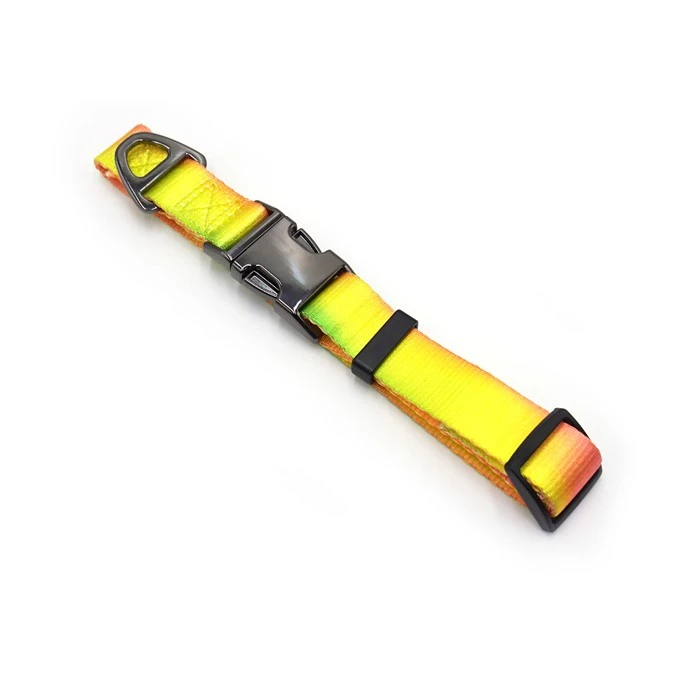
If you're a farmer, herder, or simply someone with an active herding dog, I encourage you to consider our range of Nylon Dog Collars. We offer a variety of styles, sizes, and colors to meet your needs. If you have any questions about our products or are interested in a bulk purchase, please feel free to reach out for a procurement discussion. We're here to help you find the best collar for your hard - working herding dog.
References
- Beal, B. (2019). The Working Dog Handbook. Canine Publishing.
- Smith, J. (2020). Materials for Dog Collars: A Comparative Study. Pet Care Journal.
- Brown, R. (2021). Herding Dog Training and Equipment. Livestock Press.