

Hey there, fellow dog lovers! I'm stoked to share my thoughts on setting up an agility course for your furry friend right at home. As a supplier of top-notch dog products, I've seen firsthand how much joy and exercise these courses can bring to dogs and their owners alike. So, let's dive in and see if you can create your own agility wonderland!
Why Set Up an Agility Course at Home?
First off, why should you even consider setting up an agility course at home? Well, there are tons of reasons! For starters, it's a great way to keep your dog active. Dogs, especially the high-energy breeds, need plenty of exercise to stay healthy and happy. An agility course provides a fun and challenging workout that can tire them out in no time.
It also helps with your dog's mental stimulation. Navigating through tunnels, jumping over hurdles, and weaving through poles requires focus and problem-solving skills. This can help prevent boredom and destructive behavior, which is a win for both you and your pup.

Another benefit is the bonding experience. Spending time together on the agility course strengthens the bond between you and your dog. You'll be working as a team, and that shared experience can be incredibly rewarding.
What You'll Need
Now, let's talk about what you'll need to set up your own agility course. The good news is, you don't need to break the bank. You can start small and gradually add more equipment as you go.
- Jumps: You can make simple jumps using PVC pipes or wooden boards. These are easy to set up and adjust to different heights, depending on your dog's size and ability.
- Tunnels: There are plenty of affordable tunnels available online, or you can even make one using a large cardboard box or some old sheets.
- Weave Poles: You can create weave poles using PVC pipes and some stakes. These are great for improving your dog's coordination and speed.
- A-Frames: If you're feeling handy, you can build an A-frame using wood. This is a more advanced obstacle, but it's a lot of fun for your dog.
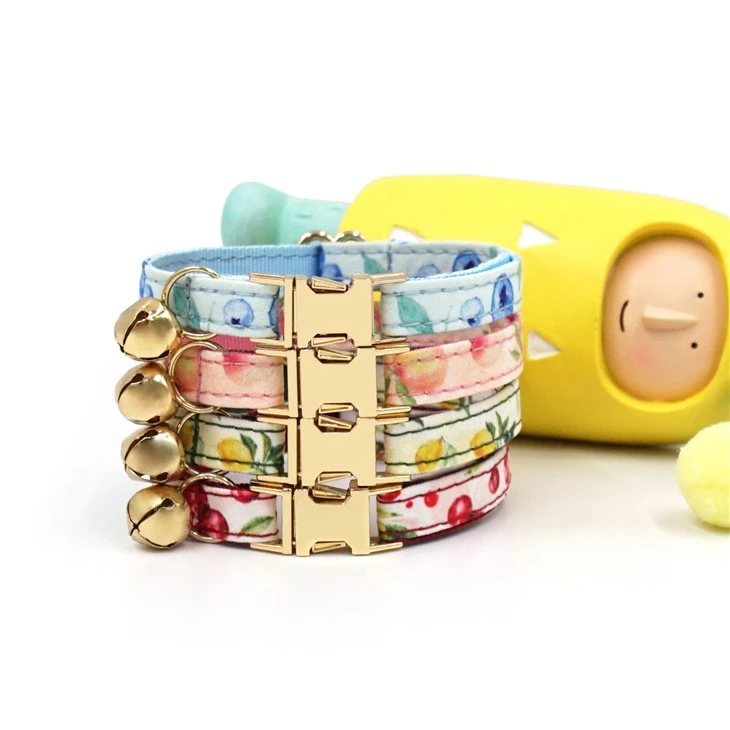
Of course, you'll also need some basic dog products to keep your dog safe and comfortable during the training. A good Dog Rope Leash For Outside is essential for controlling your dog during the setup and initial training. And don't forget a Best Kitten Collar or Handmade Leather Dog Collars to keep your dog looking stylish and secure.
Setting Up the Course
Once you have all your equipment, it's time to set up the course. Start by choosing a suitable location in your yard or even indoors if you have enough space. Make sure the area is clear of any hazards and has a flat surface.
Layout the obstacles in a way that makes sense for your dog's size and ability. You can start with a simple course and gradually add more challenges as your dog gets better. For example, you might start with a single jump and a short tunnel, and then add weave poles and an A-frame later on.
It's important to make the course fun and engaging for your dog. Use treats and praise to encourage your dog to explore the obstacles and complete the course. Remember, the goal is to have fun and build confidence, not to put too much pressure on your dog.
Training Your Dog
Training your dog to navigate the agility course takes time and patience. Start by introducing your dog to each obstacle one at a time. Let them sniff and explore the obstacle at their own pace, and give them plenty of treats and praise for showing interest.
Once your dog is comfortable with the obstacle, you can start teaching them how to use it. For example, if you're teaching your dog to jump, you can start by holding a treat just above the jump and encouraging them to jump up to get it. Gradually raise the height of the treat and the jump as your dog gets more confident.
It's important to keep the training sessions short and fun. Dogs have short attention spans, so aim for 10-15 minutes of training at a time. And always end the session on a positive note, with lots of treats and praise.
Tips and Tricks
Here are some tips and tricks to make your agility course setup and training a success:
- Start Slow: Don't try to rush your dog through the course. Take it one step at a time and let your dog build confidence gradually.
- Use Positive Reinforcement: Always use treats, praise, and play to encourage your dog. Positive reinforcement is the most effective way to train your dog and build a strong bond.
- Be Patient: Training takes time, and every dog learns at their own pace. Don't get frustrated if your dog doesn't pick up the skills right away. Just keep practicing and have fun.
- Make It Fun: Remember, the goal is to have fun and build a strong bond with your dog. Don't take the training too seriously, and make sure your dog enjoys the experience.
Conclusion
So, can you set up an agility course for your dog at home? Absolutely! With a little creativity, some basic equipment, and plenty of patience, you can create a fun and challenging agility course for your furry friend. Not only will it keep your dog active and mentally stimulated, but it will also strengthen the bond between you and your dog.
If you're interested in purchasing high-quality dog products for your agility course or any other dog-related needs, I'd love to hear from you. Just reach out, and we can start a conversation about your requirements. Whether you're looking for a Dog Rope Leash For Outside, a Best Kitten Collar, or Handmade Leather Dog Collars, we've got you covered.
References
- Overall, K. L. (2013). Clinical Behavioral Medicine for Small Animals. Elsevier Health Sciences.
- Todd, B. (2012). Agility Training for Dogs: A Complete Guide. Howell Book House.