

Hey there, fellow dog lovers! As a dog collar supplier, I've heard a lot of questions from pet owners over the years. One of the most common ones is, "Can a dog collar cause skin problems?" Well, let's dig into this topic and find out.
First off, it's important to understand that dogs' skin is sensitive, just like ours. A collar that doesn't fit right or is made from the wrong materials can definitely lead to some skin issues. Let's start by looking at the different types of dog collars and how they might affect your furry friend's skin.
Types of Dog Collars and Their Impact on Skin
Nylon Dog Collars
Nylon dog collars are super popular. They're affordable, come in a wide range of colors and patterns, and are generally pretty durable. But can they cause skin problems? Well, sometimes. Nylon is a synthetic material, and some dogs might be allergic to it. If your dog has a sensitive skin, the nylon collar can rub against their skin, causing irritation, redness, and even hair loss in severe cases.
However, not all nylon collars are bad. High - quality Nylon Dog Collars are often treated to be more skin - friendly. They have smooth edges and are made with soft nylon that reduces friction. But if your dog starts scratching at their collar a lot or you notice any signs of skin irritation, it might be time to consider a different type of collar.
Leather Dog Collars
Leather collars are classic and look really stylish on dogs. They're usually more expensive than nylon collars, but they're also very durable. Leather is a natural material, which is great for most dogs. It breathes well, so it doesn't trap moisture against the skin.
But there are some downsides. Leather can absorb dirt, sweat, and oils from your dog's skin. If you don't clean your dog's leather collar regularly, it can become a breeding ground for bacteria and fungi. These can cause skin infections and other problems. Also, some leather collars are treated with chemicals during the tanning process. If your dog has a sensitive skin, these chemicals can cause an allergic reaction.
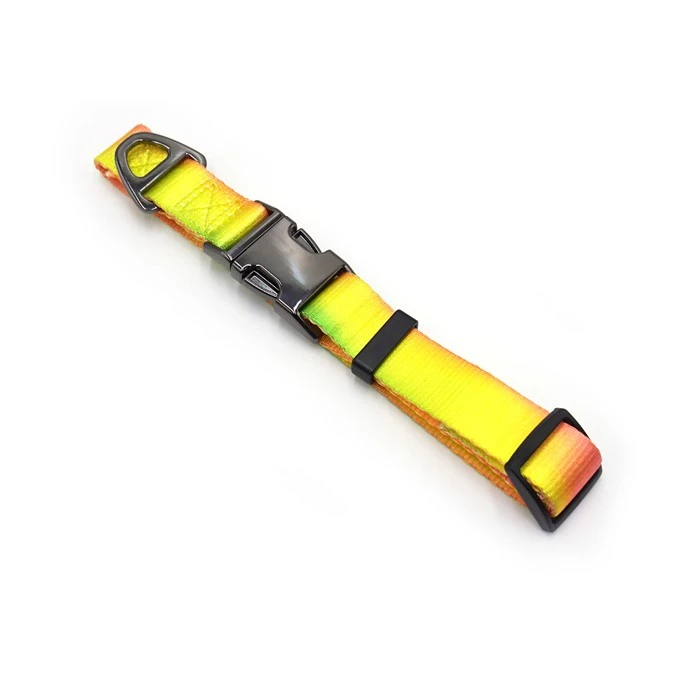

Velvet Dog Collar
Velvet dog collars are soft and luxurious. They're a great option for dogs with sensitive skin because the velvet material is gentle and doesn't rub as much as some other materials. Velvet Dog Collar is often lined with a soft fabric to make it even more comfortable for your pup.
However, velvet can be a bit more difficult to clean. If it gets wet or dirty, it might take longer to dry, and the moisture can lead to skin problems if it's not taken care of properly. Also, if the collar is too tight, the velvet can bunch up and still cause irritation.
Factors That Contribute to Skin Problems from Dog Collars
Collar Fit
The fit of the collar is crucial. A collar that's too tight will rub against your dog's skin constantly. This can cause abrasions, sores, and even restrict your dog's breathing and movement. On the other hand, a collar that's too loose can slide around and also cause friction.
To make sure your dog's collar fits properly, you should be able to fit two fingers between the collar and your dog's neck. Check the fit regularly, especially if your dog is still growing or if they've gained or lost weight.
Collar Usage
How you use the collar also matters. If you leave the collar on your dog 24/7, it can increase the risk of skin problems. Dogs need a break from their collars to let their skin breathe. Take the collar off when your dog is at home and in a safe environment.
Also, if you use a collar for training purposes, like a choke chain or a prong collar, these can be more likely to cause skin problems. They put more pressure on the neck and can cause bruising, cuts, and other injuries.
Hygiene
As I mentioned earlier, keeping your dog's collar clean is essential. Dirt, sweat, and bacteria can build up on the collar over time. Wash the collar regularly according to the manufacturer's instructions. For nylon collars, you can usually just throw them in the washing machine. Leather collars need to be cleaned with a special leather cleaner.
Signs of Skin Problems Caused by Dog Collars
So, how do you know if your dog's collar is causing skin problems? Here are some signs to look out for:
- Scratching and Rubbing: If your dog is constantly scratching at their neck or rubbing their head against furniture, it could be a sign that the collar is bothering them.
- Redness and Swelling: Check your dog's neck for any red or swollen areas. These are signs of inflammation, which can be caused by friction or an allergic reaction.
- Hair Loss: If you notice patches of hair missing around your dog's neck, it could be due to the collar rubbing against the skin.
- Sores and Ulcers: In severe cases, the skin irritation can lead to open sores and ulcers. These are very painful for your dog and need to be treated by a vet right away.
Preventing Skin Problems from Dog Collars
The good news is that most skin problems caused by dog collars can be prevented. Here are some tips:
- Choose the Right Collar: Consider your dog's skin type, size, and activity level when choosing a collar. If your dog has a sensitive skin, opt for a soft - material collar like velvet or a high - quality nylon collar.
- Check the Fit: Make sure the collar fits properly. Adjust it as needed, especially as your dog grows or changes weight.
- Keep the Collar Clean: Clean your dog's collar regularly to prevent the buildup of dirt and bacteria.
- Give Your Dog a Break: Take the collar off when your dog is at home and in a safe place. This gives their skin a chance to breathe.
What to Do If Your Dog Has Skin Problems
If you think your dog's collar is causing skin problems, the first thing to do is take the collar off. Give your dog's neck a chance to heal. You can clean the area with a mild, pet - friendly antiseptic solution.
If the skin problem doesn't improve after a few days, or if it gets worse, take your dog to the vet. The vet can diagnose the problem and prescribe the appropriate treatment. It might be a topical cream, an oral medication, or a combination of both.
Once your dog's skin has healed, you can try a different type of collar. Make sure to monitor your dog closely for any signs of recurrence.
Conclusion
So, can a dog collar cause skin problems? The answer is yes, but it doesn't have to. By choosing the right collar, making sure it fits properly, and keeping it clean, you can minimize the risk of skin problems for your furry friend.
As a dog collar supplier, I'm always here to help you find the perfect collar for your dog. Whether you're looking for a nylon collar, a leather collar, or a luxurious velvet dog collar, we've got a wide range of options to choose from. If you have any questions or want to discuss your dog's specific needs, feel free to reach out. We're happy to assist you in finding the best collar that will keep your dog comfortable and stylish at the same time. Let's work together to make sure your dog has a happy and healthy life!
References
- "The Complete Guide to Dog Collars" by Pet Expert Magazine
- "Skin Health in Dogs" by the American Veterinary Medical Association
- Various studies on dog collar materials and their impact on skin health from veterinary research journals