

Are shock collars safe for dogs? That's a question that's been floating around in the dog - loving community for ages, and as a dog collar supplier, I've heard all sorts of opinions on it. Let's dig into this topic and see if we can come to a well - informed conclusion.
First off, what exactly are shock collars? Shock collars, also known as e - collars, are devices that are worn around a dog's neck. They can deliver an electric shock, usually controlled by a remote. The idea behind them is to correct unwanted behavior, like excessive barking or running away. But here's the million - dollar question: are they actually safe for our furry friends?
There are two main camps when it comes to shock collars. On one side, you've got the folks who swear by them. They say that shock collars can be an effective training tool when used correctly. For example, if a dog is constantly running into the street and ignoring commands, a quick shock from the collar can teach it to stay put. Some trainers argue that the shock is just a small jolt, similar to a static electricity shock we might get on a dry day. They believe that the short - term discomfort can lead to long - term good behavior, potentially keeping the dog out of danger.
However, on the other side of the fence, there are those who are dead set against shock collars. They claim that these collars can cause physical and psychological harm to dogs. Physically, the shock can cause burns or skin irritation around the collar area, especially if the collar is worn for long periods or if the shock intensity is too high. Psychologically, dogs can become fearful, anxious, or even aggressive. They might associate the pain with the person using the collar or with certain situations, rather than the actual unwanted behavior. For instance, a dog that's shocked every time it barks might start to be afraid of people or other dogs because it associates their presence with the pain of the shock.
Let's talk about the science behind it. A number of studies have been conducted on the effects of shock collars on dogs. One study found that dogs trained with shock collars showed higher levels of stress hormones compared to those trained with positive reinforcement methods. Another research indicated that shock collars can lead to a decrease in the dog's trust towards its owner. This is a big deal because the bond between a dog and its owner is crucial for a happy and healthy relationship.
As a dog collar supplier, I've seen the different types of collars out there. We offer a wide range of non - shock collars that are both safe and stylish. For example, our Velvet Dog Collar is made from soft velvet material, which is gentle on the dog's neck. It's perfect for small dogs or those with sensitive skin. It not only looks great but also ensures that your dog is comfortable all day long.
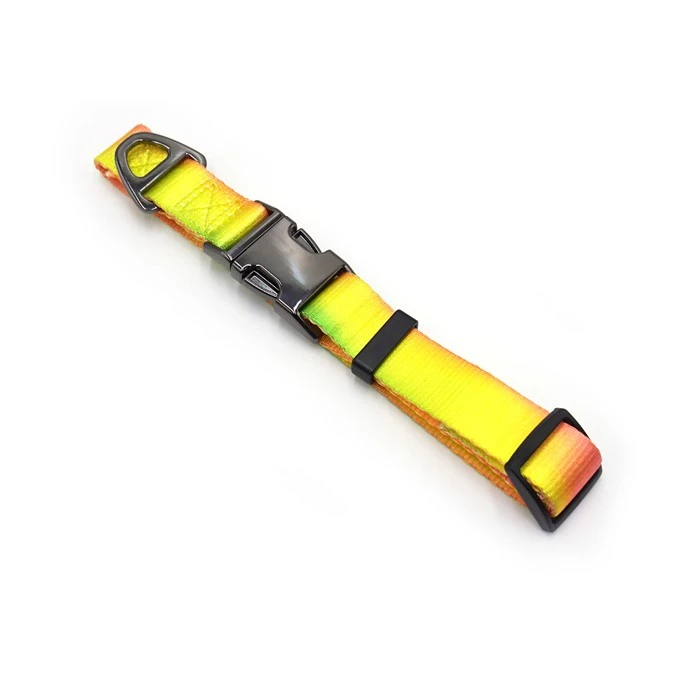
Then there are our Nylon Dog Collars. Nylon is a durable and lightweight material. These collars come in various colors and patterns, so you can find one that suits your dog's personality. They're easy to clean and adjust, making them a practical choice for dog owners.

Now, I'm not saying that shock collars are completely off - limits. There are situations where a professional trainer might recommend using a shock collar, but it should always be a last resort. Before considering a shock collar, I'd suggest trying positive reinforcement training methods. This involves rewarding your dog for good behavior with treats, praise, or playtime. It's a more humane way to train your dog and helps build a strong, positive relationship between you and your pet.
If you're still on the fence about shock collars, it's a good idea to talk to a professional dog trainer or a veterinarian. They can give you personalized advice based on your dog's breed, age, and personality. They might be able to show you alternative training methods that are just as effective without the potential risks of shock collars.
As a dog collar supplier, my goal is to provide dog owners with safe and high - quality products. Whether you're looking for a collar for training purposes or just for everyday wear, we've got you covered. If you're interested in our products or have any questions about dog collars, don't hesitate to reach out. We're always happy to have a chat and help you find the perfect collar for your furry friend.
In conclusion, the safety of shock collars for dogs is a complex issue. While they can have some benefits in certain situations, they also come with significant risks. As responsible dog owners, it's our job to weigh the pros and cons and make the best decision for our pets. And remember, there are plenty of other great collar options out there that can keep your dog safe, comfortable, and looking good. So, think twice before reaching for that shock collar and explore all the other wonderful choices available.
References
- Various scientific studies on the effects of shock collars on dogs
- Insights from professional dog trainers and veterinarians